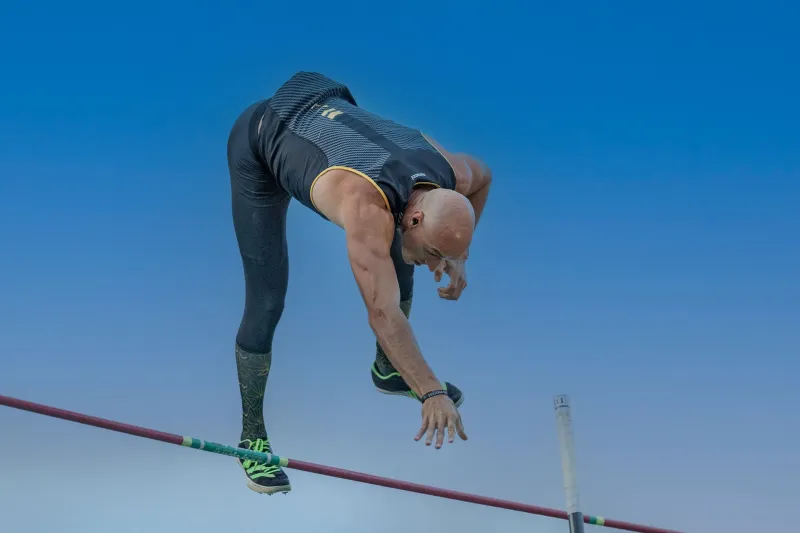
America's Secret Ten-Event Dynasty: The Decathlon Domination Nobody Saw Coming
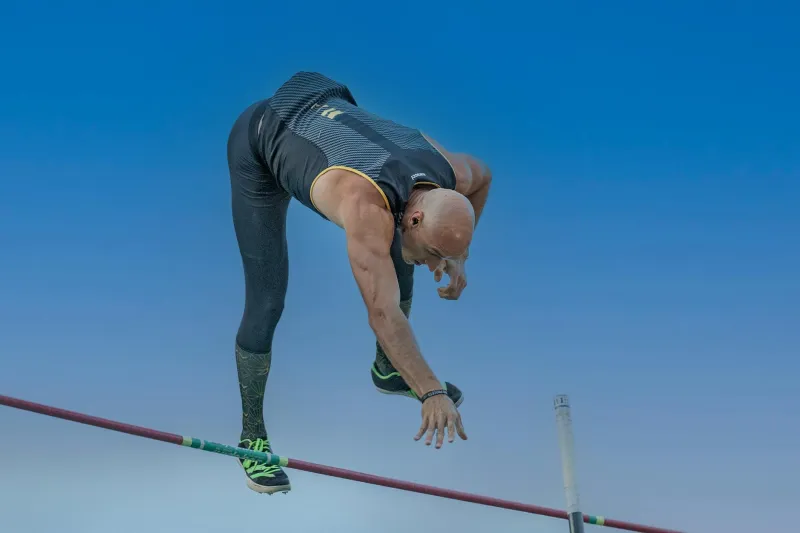
The Sport That Hid in Plain Sight
In 1912, while Americans were obsessing over baseball's dead-ball era and college football's growing popularity, a lanky kid from Oklahoma was about to make history in a sport most fans couldn't even pronounce. Jim Thorpe's decathlon victory at the Stockholm Olympics wasn't just a win—it was the opening shot in what would become America's most unexpected athletic dynasty.
 Photo: Stockholm Olympics, via img.olympics.com
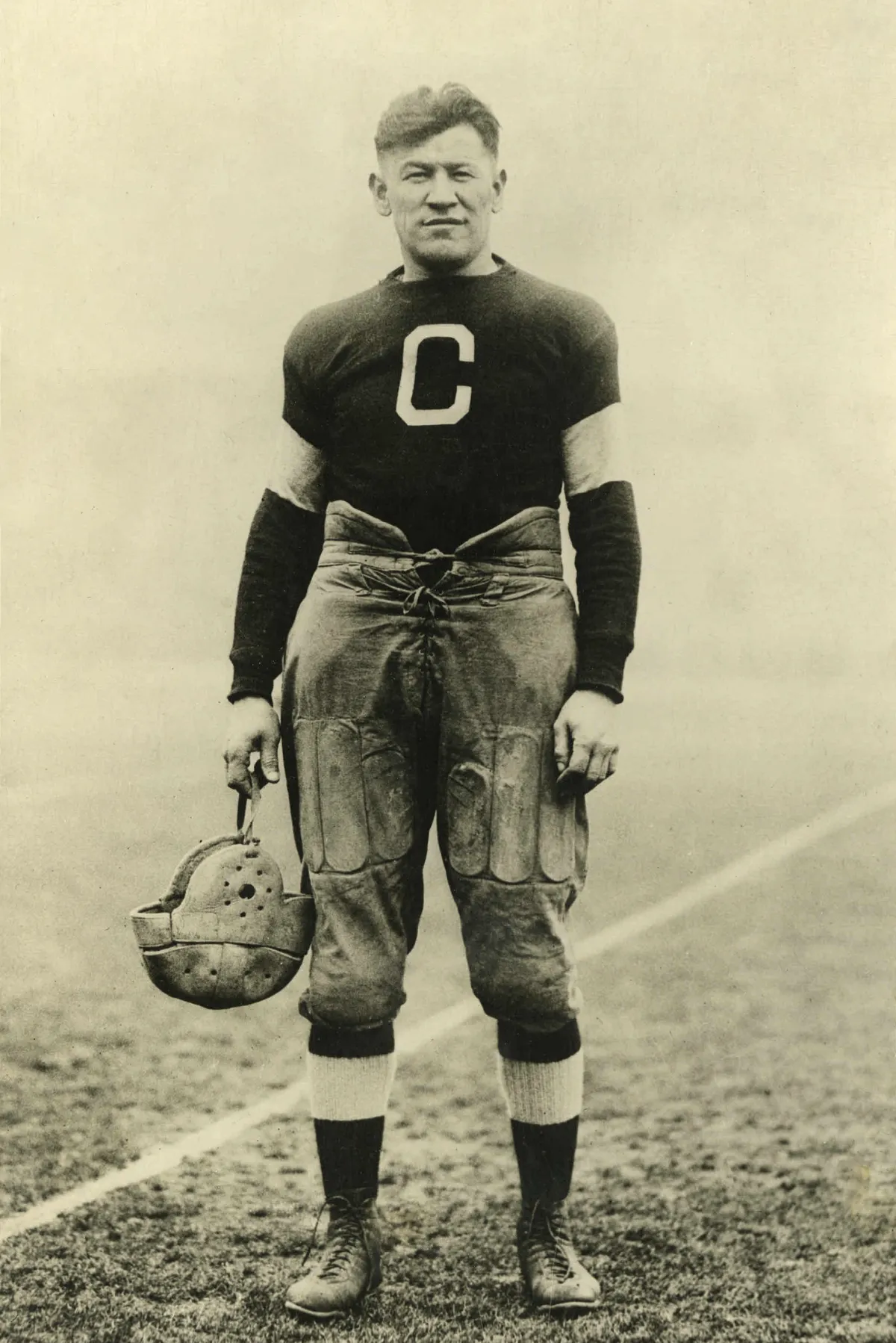 Photo: Jim Thorpe, via upload.wikimedia.org
The decathlon, a grueling ten-event competition spanning two days, had barely existed for a decade when Thorpe demolished the field. Yet this obscure European invention would become as American as apple pie, with U.S. athletes claiming the Olympic title in seven of the first ten modern Games where it was contested.
From European Experiment to American Laboratory
The decathlon emerged from the same late 19th-century European mindset that gave us the modern Olympics—a romantic notion that the ideal athlete should master multiple disciplines rather than specialize in one. The ancient Greeks had their pentathlon; modern Europeans wanted something bigger, more comprehensive.
What they created was athletic torture disguised as competition: 100 meters, long jump, shot put, high jump, and 400 meters on day one, followed by 110-meter hurdles, discus, pole vault, javelin, and 1500 meters on day two. It was designed to find the most complete athlete on earth.
American coaches looked at this European creation and saw opportunity. While other nations treated the decathlon as a gentleman's pursuit—something for well-rounded sportsmen to dabble in—Americans approached it with characteristic intensity. College track programs began developing decathletes systematically, treating the ten events not as separate sports but as components of a single, complex athletic puzzle.
The Numbers Tell the Story
Thorpe's winning 1912 score of 8,413 points would barely qualify for a decent high school meet today. Modern decathlon world record holder Kevin Mayer of France scored 9,126 points in 2018—a difference that represents not just improved training but a fundamental evolution in human athletic capability.
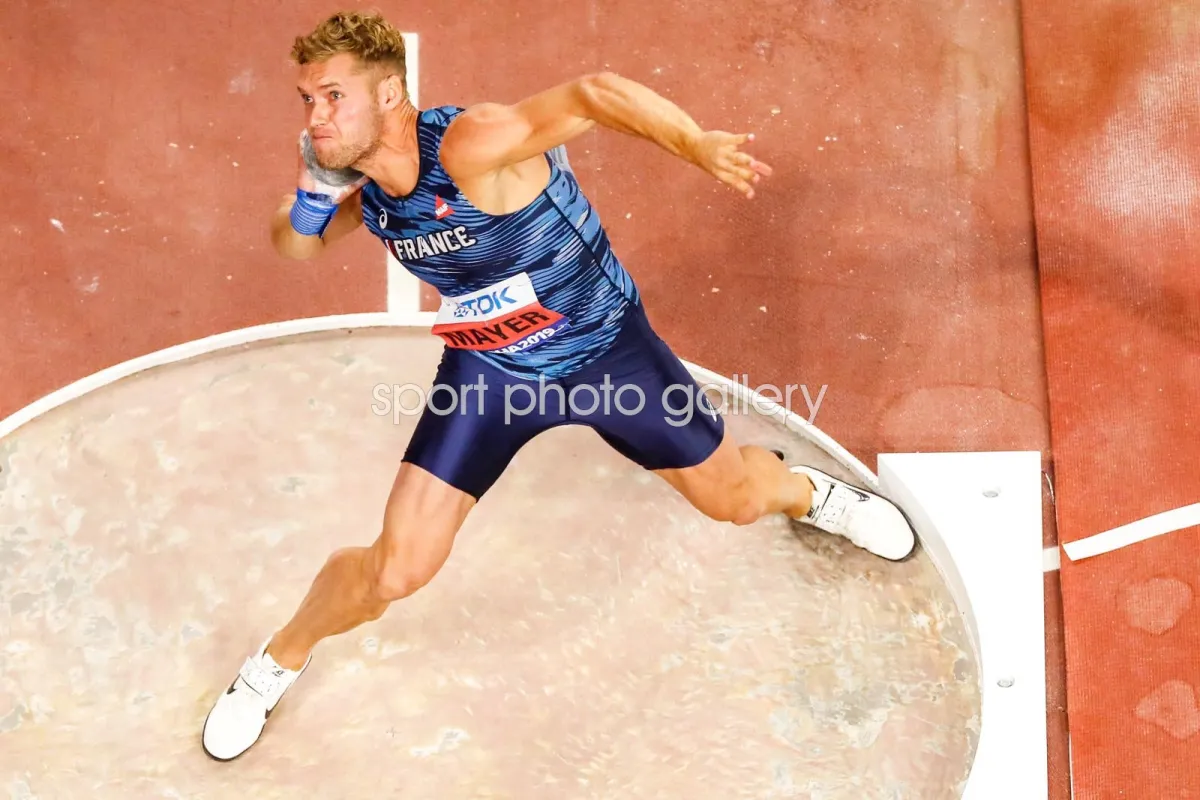 Photo: Kevin Mayer, via www.sportphotogallery.com
Consider the individual components: Thorpe's winning 100-meter time of 11.2 seconds would be considered slow for a recreational jogger by today's standards. His long jump of 22 feet, 2 inches was impressive for 1912 but wouldn't make most college teams now. Yet these numbers miss the point entirely.
The real revolution wasn't in the times and distances—it was in the approach. Early decathletes were often specialists in one or two events who happened to be decent at the others. Thorpe, for instance, was primarily a football player who could run and jump. Modern decathletes are purpose-built athletes, training year-round in all ten disciplines with scientific precision.
The American System Takes Shape
By the 1930s, American universities had cracked the code. Programs like UCLA, Kansas, and Oregon State began producing decathletes the way Detroit produced cars—systematically, efficiently, and in impressive numbers. The secret wasn't superior genetics or revolutionary training methods; it was infrastructure.
American colleges offered something European athletics couldn't: four-year development programs with professional-level coaching, facilities, and competition. A talented high school athlete could arrive at UCLA knowing three events well and graduate as a legitimate world-class decathlete. European athletes, competing for club teams with limited resources, simply couldn't match this systematic approach.
The results spoke for themselves. From 1932 to 1976, Americans won eight of twelve Olympic decathlon titles. Names like Glenn Morris, Bob Mathias, Rafer Johnson, and Bill Toomey became synonymous with all-around athletic excellence, even as the sport remained relatively unknown to casual fans.
When Specialization Changed Everything
The American dominance began to crack in the 1970s and 1980s, not because American athletes got worse, but because the rest of the world got smarter. European nations, particularly East Germany and the Soviet Union, began applying the American systematic approach while adding something new: sports science.
East German decathletes like Guido Kratschmer trained with the precision of NASA engineers, using biomechanical analysis, altitude training, and periodization techniques that American college programs couldn't match. The amateur ideal that had sustained American dominance became a liability when competing against state-sponsored professionals.
Today's decathlon reflects this evolution. Modern competitors like America's Garrett Scantling or Ryan Crouser approach each event with specialist-level technique while maintaining the endurance and mental toughness to excel across ten disciplines. They're not just better athletes than their predecessors—they're completely different creatures, built by decades of accumulated knowledge about human performance.
The Crown That Became a Brand
Somewhere along the way, the decathlon winner became "the world's greatest athlete"—a marketing phrase that stuck so completely that most fans accept it as fact. This transformation mirrors broader changes in American sports culture, where athletic achievement increasingly serves commercial purposes.
Thorpe competed for an olive wreath's worth of glory and had his medals stripped for playing semi-professional baseball. Modern decathletes compete for endorsement deals, appearance fees, and the kind of multimedia fame that turns athletic achievement into personal brands.
Yet the core appeal remains unchanged: ten events, two days, one champion. In an era of hyper-specialization, the decathlon still asks the ancient question that captivated those early American dominators—who among us is the most complete athlete of all?
The answer, as those forgotten American pioneers discovered, depends not just on talent but on how systematically a nation commits to finding out.