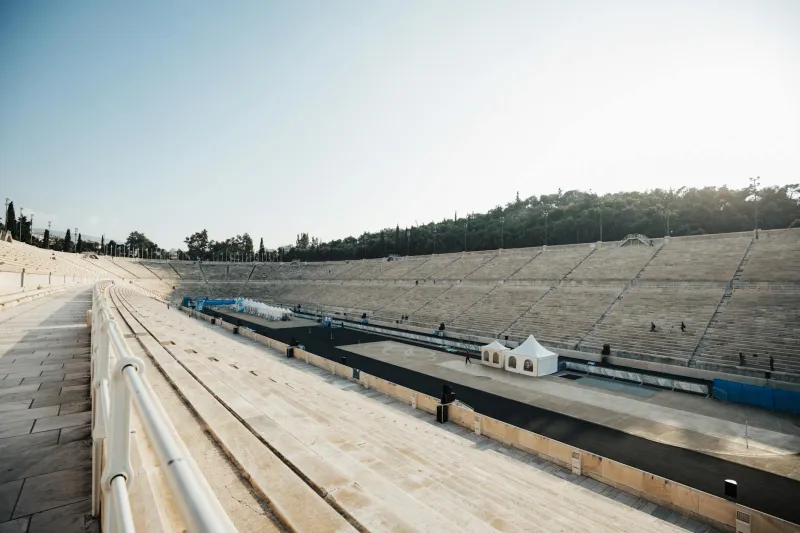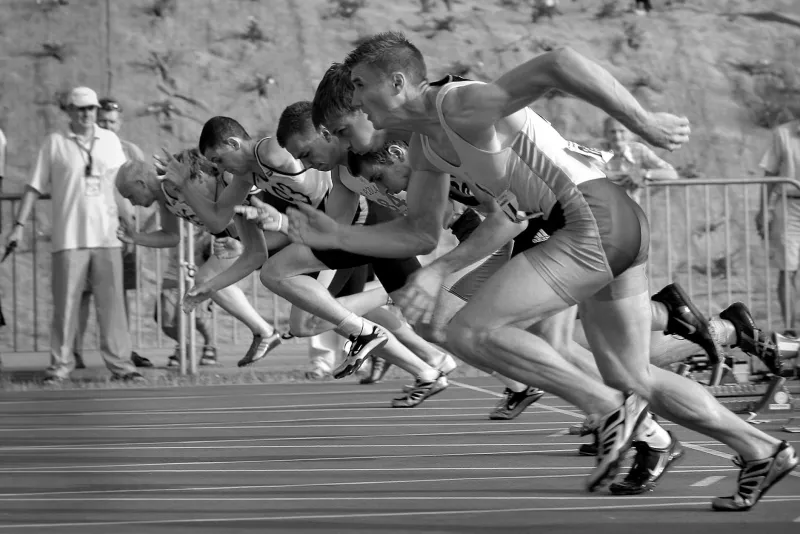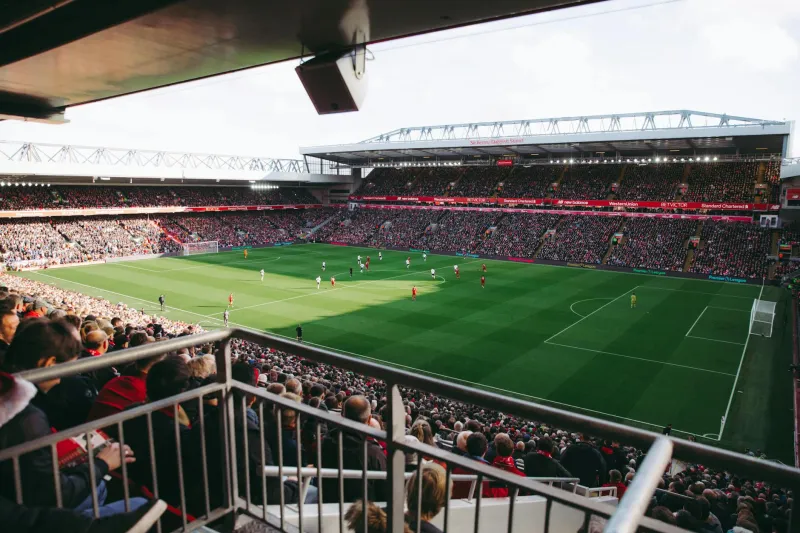
The roar was deafening. Forty thousand spectators packed into the stadium at Olympia, their voices echoing off stone walls as runners exploded from the starting line. Ancient Greek writers described the sound as "thunderous," capable of being heard miles away. What they didn't realize was that they were witnessing—and creating—one of the most powerful forces in athletic performance.
Modern sports science has spent decades proving what those ancient crowds intuitively understood: the right audience can literally make athletes faster, stronger, and more resilient. From the Seattle Seahawks' "12th Man" to the deafening atmosphere at Cameron Indoor Stadium, today's home field advantages are just high-tech versions of what Greek spectators mastered 2,500 years ago.
When 40,000 Voices Became a Weapon
The ancient Olympic Games weren't quiet, scholarly affairs—they were raucous festivals that combined religious ceremony with the kind of crowd energy we'd recognize at a modern Super Bowl. Spectators traveled from across the Greek world, camping in tents and makeshift shelters for days just to witness five days of competition.
Historian Pausanias wrote about crowds so loud that "the very air seemed to shake" during popular events like chariot racing and wrestling. Unlike modern Olympics with their polite, international audiences, ancient crowds were partisan, vocal, and deeply invested in their local heroes. City-states sent official delegations to cheer for their athletes, creating the world's first organized fan bases.
The psychological impact wasn't lost on ancient observers. Pindar, the great Olympic poet, wrote extensively about how crowd support could transform ordinary men into champions. He described athletes drawing strength from spectators' energy, performing feats that seemed impossible in quieter settings. What Pindar was documenting, without knowing it, was the physiological reality of crowd-induced performance enhancement.
The Science Behind Ancient Instinct
Modern researchers have confirmed what ancient Greeks observed through pure experience. Studies show that supportive crowds trigger measurable physiological changes in athletes: increased adrenaline production, elevated heart rate, and enhanced pain tolerance. The phenomenon is so consistent that sports psychologists now consider crowd support a legitimate performance-enhancing factor.
Dr. Sandy Wolfson's research at Northumbria University found that athletes perform 5-7% better in front of supportive home crowds compared to neutral venues. That percentage might not sound dramatic, but in elite competition, it's often the difference between gold medals and fourth place finishes. The ancient Greeks didn't have heart rate monitors or blood tests, but they could see the results with their own eyes.
The acoustic environment at Olympia was particularly effective because of its architecture. The stadium's stone construction created natural amplification, focusing crowd noise directly onto the competition area. Modern stadiums use similar principles—think of the enclosed design of indoor basketball arenas or football stadiums with overhanging upper decks that trap sound.
Home Cooking: Ancient Style
The concept of home field advantage was alive and well in ancient Greece, though it worked differently than modern sports. Since the Olympics were always held at Olympia, technically no one had a true "home" advantage. However, athletes from nearby regions like Elis and Arcadia competed in front of crowds that included friends, family, and fellow citizens who had made the journey.
Ancient records suggest these regional favorites often outperformed their expected results, just like modern athletes do in front of home crowds. The psychological boost of familiar faces in the stands, combined with the pressure of representing one's city-state, created a motivational cocktail that pushed athletes beyond their normal limits.
Perhaps more importantly, ancient crowds weren't neutral observers—they actively participated in the competition through rhythmic chanting, coordinated cheering, and even musical accompaniment. This created an immersive environment where athletes felt carried along by collective energy, similar to how modern basketball players describe feeding off crowd momentum during crucial moments.
The Dark Side: When Crowds Turned Hostile
Ancient Greek crowds could be brutal when they turned against an athlete. Competitors who were caught cheating, showed poor sportsmanship, or simply performed badly faced verbal abuse that could be psychologically devastating. Historical accounts describe athletes being "shouted down" by hostile crowds, their performances crumbling under the weight of collective disapproval.
This mirrors modern research on hostile crowd effects, which shows that unsupportive audiences can impair athletic performance just as dramatically as friendly crowds enhance it. Studies of visiting teams in loud, hostile environments like Arrowhead Stadium or the Dean Dome reveal measurable increases in errors, penalties, and mental mistakes.
The ancient Greeks understood this psychological warfare intuitively. Rival city-states sometimes sent delegations specifically to intimidate opponents through organized heckling and disruption. It was an early form of the psychological gamesmanship that modern fans have perfected through coordinated chants, distracting signs, and strategic noise-making.
Modern Echoes of Ancient Wisdom
Today's most successful sports franchises have essentially recreated the Olympia experience using modern technology and marketing. The Green Bay Packers' Lambeau Field, with its open-air design and passionate fan base, channels the same communal energy that ancient Greeks generated through pure vocal power. College basketball's Cameron Indoor Stadium uses intimate seating and coordinated student sections to create the kind of intense, focused crowd energy that ancient Olympic spectators produced naturally.
Even the timing mirrors ancient patterns. Just as Greek crowds built energy throughout the five-day Olympic festival, modern playoff atmospheres intensify as series progress, with crowd support becoming more crucial in elimination games. The ancient Greeks scheduled their most popular events—chariot racing and wrestling—for the final days when crowd excitement peaked.
The Eternal Truth About Human Performance
What makes this connection between ancient and modern crowds so fascinating is how little human psychology has changed. The same crowd dynamics that pushed ancient Greek runners to their fastest times still work on modern Olympic sprinters. The same supportive energy that helped ancient wrestlers overcome seemingly stronger opponents still gives today's athletes that extra edge in crucial moments.
The Greeks discovered something profound about human nature: we perform better when we feel supported by our community. Whether it's 40,000 people at Olympia cheering for a chariot racer or 80,000 Saints fans creating a deafening wall of sound in the Superdome, the principle remains the same. Crowds don't just watch athletic performance—they actively shape it.
Modern sports science has given us the data to prove what ancient spectators knew instinctively: the right crowd, at the right moment, can literally make the impossible possible. The roar at Olympia wasn't just noise—it was the sound of human potential being unleashed through collective will.