Cheaters, Bribers, and Herbal Hustlers: The Ancient Olympics Had a Doping Problem Too
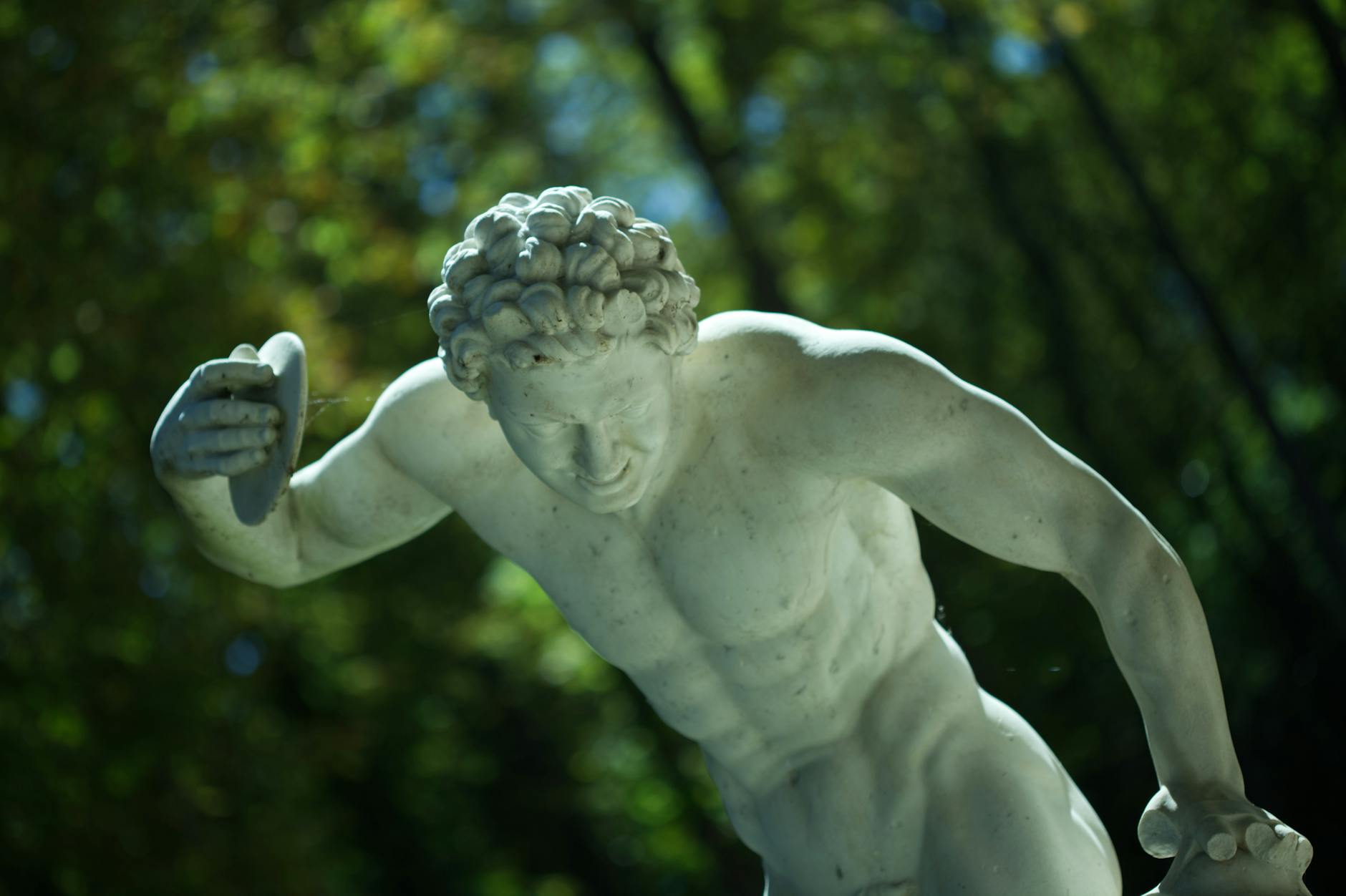
Cheaters, Bribers, and Herbal Hustlers: The Ancient Olympics Had a Doping Problem Too
We tend to picture the ancient Olympics as something close to perfect. Bare-chested athletes competing under the blazing Greek sun, driven by honor, glory, and devotion to Zeus. No agents. No endorsement deals. No drug testers with syringes waiting outside the locker room. Just pure human competition.
Except that's not quite how it went.
Long before the World Anti-Doping Agency existed, long before the phrase "performance-enhancing drugs" entered the sports vocabulary, ancient Greek athletes were already doing what athletes have always done — looking for every possible edge. And sometimes, that search crossed lines that the Greeks themselves recognized as deeply wrong.
The ancient Olympics weren't just a story of heroism and athletic perfection. They were also a story of ambition, temptation, and the very human tendency to cheat.
What Winning Actually Meant in Ancient Greece
To understand why athletes cheated, you first have to understand what winning meant. The stakes at the ancient Olympics were almost incomprehensible by modern standards. Victory didn't just bring a wreath of olive leaves — it brought wealth, political power, free meals for life in your home city, and a kind of immortality. Poets like Pindar were paid to compose odes celebrating Olympic champions. Statues were erected in their honor. Some cities literally knocked holes in their walls to welcome a champion home, a symbolic gesture meaning the city no longer needed its defenses because it had a hero to protect it.
With that kind of reward waiting at the finish line, it's not hard to see why some athletes decided the rules were more of a suggestion.
Herbal Edges and Special Diets
The earliest forms of what we might call doping were dietary. Ancient Greek athletes experimented obsessively with food and drink in the belief that certain substances could sharpen the body's competitive edge. Dried figs, wine mixed with specific herbs, and various animal organs were consumed in ritualized pre-competition routines. Some athletes swore by eating bull testicles — a practice that, while probably more psychological than physiological, wasn't entirely without logic given what we now know about testosterone.
Athlete trainers, called paidotribes, developed reputations for their secret regimens. Recipes were guarded like trade secrets. A trainer who could produce champions was worth enormous sums, and the line between legitimate preparation and outright manipulation was fuzzy from the start.
Certain herbal concoctions were believed to dull pain, increase endurance, or sharpen aggression — particularly useful in brutal events like the pankration, a no-holds-barred combat sport that made modern MMA look tame. Whether these mixtures actually worked is debatable. What isn't debatable is that athletes actively sought them out and that the competitive culture of the ancient Olympics made that search feel necessary.
When Cheating Got Explicit: The Zanes of Olympia
Dietary experimentation was one thing. Outright bribery was another — and the historical record is full of it.
The most visible punishment system the ancient Greeks developed was a row of bronze statues called Zanes, funded by fines levied on athletes caught cheating. These statues lined the entrance to the Olympic stadium at Olympia, each one bearing an inscription describing the specific offense. Walking past them on the way to compete was meant to be a reminder — and a warning.
One of the most well-documented cases involved a boxer named Eupolus of Thessaly, who in 388 BC bribed three of his opponents to throw their bouts. He was caught, fined heavily, and immortalized in the worst possible way — his name carved on a Zane for all future Olympians to see. The Greeks took this seriously enough that the fines went toward funding not just statues but also religious offerings, framing the act of cheating as an offense against Zeus himself.
Another famous incident involved a competitor who disguised himself as a trainer to accompany his son into the restricted athlete areas — a violation of rules that barred women from the Games entirely. When the disguise was discovered, the punishment was complicated by the fact that her son had just won. The Greeks, it turns out, were not always sure what to do when cheating and triumph arrived at the same time. Sound familiar?
The Rule-Bending That Didn't Have a Name Yet
Some ancient athletic manipulation fell into a gray zone that ancient Greeks didn't have clean language for — much like modern sport struggles to define where "training innovation" ends and "unfair advantage" begins.
Athletes would sometimes compete in earlier rounds at reduced effort to study opponents, then unleash their full ability in the final. Psychological intimidation was common and largely accepted. In the pankration and wrestling events, athletes developed techniques specifically designed to cause maximum pain without technically breaking rules — a form of gamesmanship that the Greeks recognized but rarely penalized.
There were also accusations of athletes deliberately competing in multiple events to exhaust rivals, even when they had no realistic chance of winning those secondary events themselves. The spirit of fair competition was understood. Enforcing it was a different matter.
Then vs. Now: Has Anything Actually Changed?
Here's the uncomfortable truth: the mechanics of cheating have changed dramatically, but the motivation hasn't moved an inch in 2,800 years.
Modern sport has WADA, biological passports, carbon isotope testing, and out-of-competition testing pools. Ancient Olympia had priests, public shame, and bronze statues. The tools are different. The impulse — to find an edge, to protect a competitive advantage, to decide that winning is worth the risk — is identical.
The ancient Greeks understood something that modern sports administrators still wrestle with: when the rewards for winning are enormous, no amount of enforcement fully eliminates the temptation to cheat. The Zanes didn't stop bribery. The Theranos-era blood passport hasn't stopped doping. What changes is the sophistication of the methods and the sophistication of the detection.
What stays the same is the athlete standing at the edge of a competition, calculating whether the risk is worth the reward.
The ancient Olympics remind us that sport has never been purely noble. It has always been human — which means it has always been complicated. The fact that we keep trying to protect the integrity of competition, keep building better systems to catch cheaters, keep caring whether the winner actually won fairly? That might be the most hopeful thing about the whole long, messy story.
From Olympia to Paris, the fight for clean sport continues. It's just a much older fight than most people realize.