When Human Eyes Were the Final Word: How Ancient Olympic Judges Made Life-or-Death Calls Without Cameras
The Moment Everything Hung in the Balance
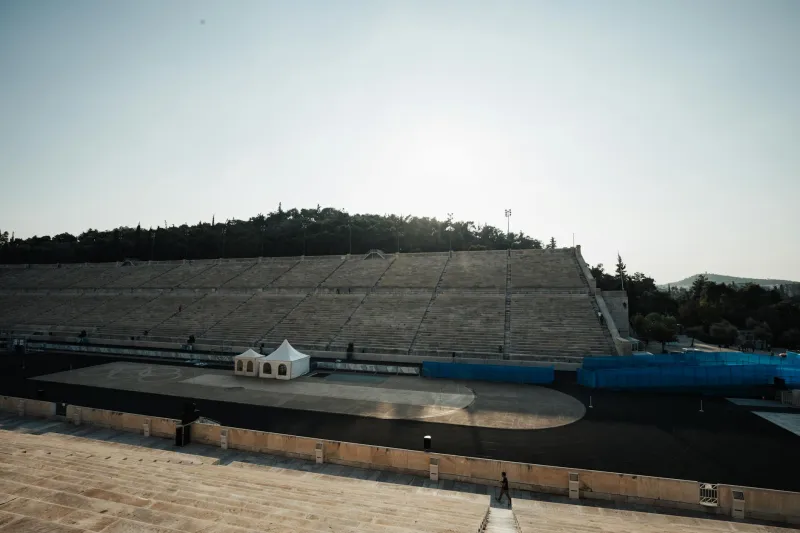
Picture this: two runners thunder toward the finish line at Olympia, their bronze bodies glistening with olive oil and sweat. The crowd of 40,000 spectators rises to its feet, roaring as the athletes hit the tape in what looks like a dead heat. But there's no instant replay, no photo finish, no electronic timing system. Just a handful of elderly Greek judges squinting in the Mediterranean sun, tasked with making a call that will echo through history.
Welcome to the ultimate pressure cooker of ancient athletics, where human judgment was the final word — and where getting it wrong could literally cost you your life.
The Hellanodikai: Greece's Supreme Court of Sport
The ancient Olympics didn't mess around when it came to officiating. The games were overseen by the Hellanodikai — literally "judges of the Greeks" — a group of ten elite citizens from the region of Elis who underwent ten months of intensive training before each Olympics. These weren't your average weekend warriors with whistles; they were the cream of Greek society, chosen for their wisdom, integrity, and supposed incorruptibility.
These judges wore distinctive purple robes and carried wooden staffs, symbols of their absolute authority over the games. When they made a call, that was it. No appeals process, no video review, no arguing with the ref. Their decision was considered divinely inspired, backed by Zeus himself.
But here's the thing about divine inspiration — it's still filtered through human eyes.
The Science of Ancient Split-Second Decisions
So how did these judges actually make their calls in impossibly close races? The Greeks developed a surprisingly sophisticated system that relied on multiple perspectives and careful positioning.
First, they positioned judges at different angles along the finish line, creating what we might recognize today as triangulation. One judge might be directly at the line, while others observed from slight angles to catch any lean or stumble that could affect the outcome.
Second, they used physical markers that were far more precise than you might expect. The finish line wasn't just scratched in the dirt — it was marked with permanent stone posts and stretched ropes or wooden barriers that runners had to cross.
Most ingeniously, the Greeks understood that the human eye could be fooled by factors like height differences between athletes or the optical illusion created by runners in different lanes. So they developed protocols for consultation between judges, requiring agreement before declaring a winner in close calls.
When Judgment Calls Turned Deadly
But even with these safeguards, mistakes happened — and the consequences could be brutal. Ancient sources tell us of disputed decisions that sparked full-scale riots, with entire city-states threatening war over a controversial call.
One famous case involved a boxer named Kleomedes from the island of Astypalaia, who killed his opponent during a match but was denied victory by the judges for fighting unfairly. The decision so enraged Kleomedes that he went on a murderous rampage, eventually pulling down a school building and killing dozens of children. The Oracle at Delphi later declared him a hero-god, but the judges' call had already unleashed tragedy.
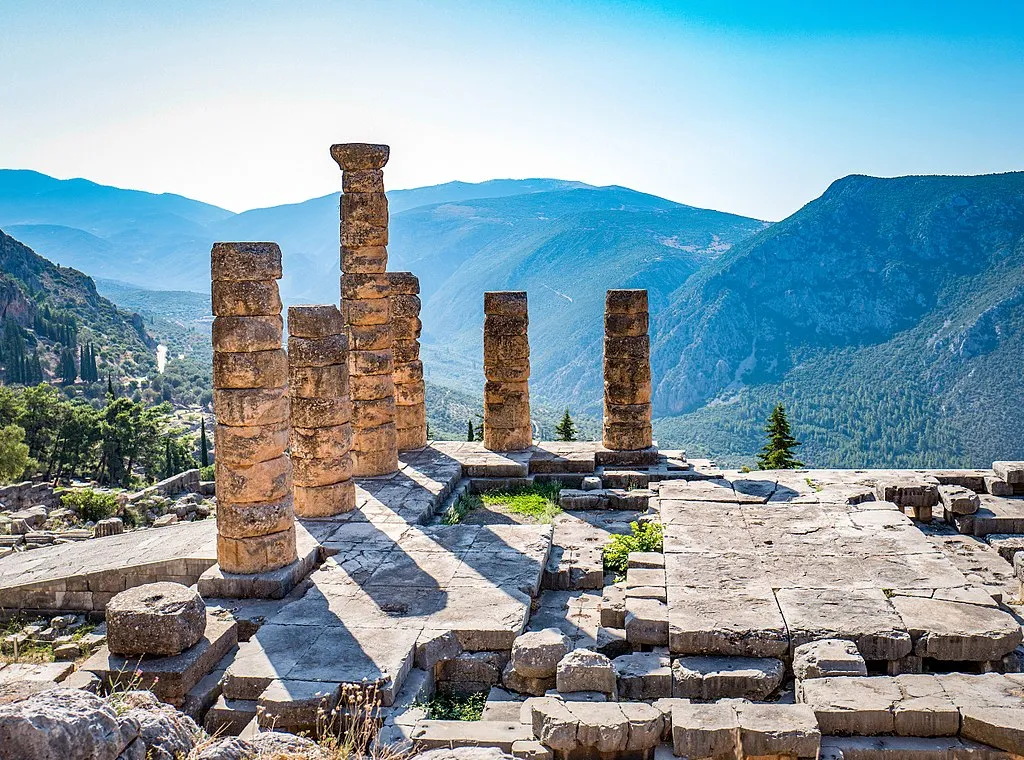 Photo: Oracle at Delphi, via greekreporter.com
In another incident, spectators from Kroton rioted after their runner was declared the loser in what they believed was a dead heat, leading to a diplomatic crisis that lasted for years.
The Technology That Changed Everything
Fast-forward to 1932, and the Olympics had their first photo finish camera. Suddenly, what had been humanity's ultimate judgment call became a matter of scientific precision. The 1936 Berlin Olympics saw the first electronic timing system, measuring races to the tenth of a second rather than relying on human reaction time with stopwatches.
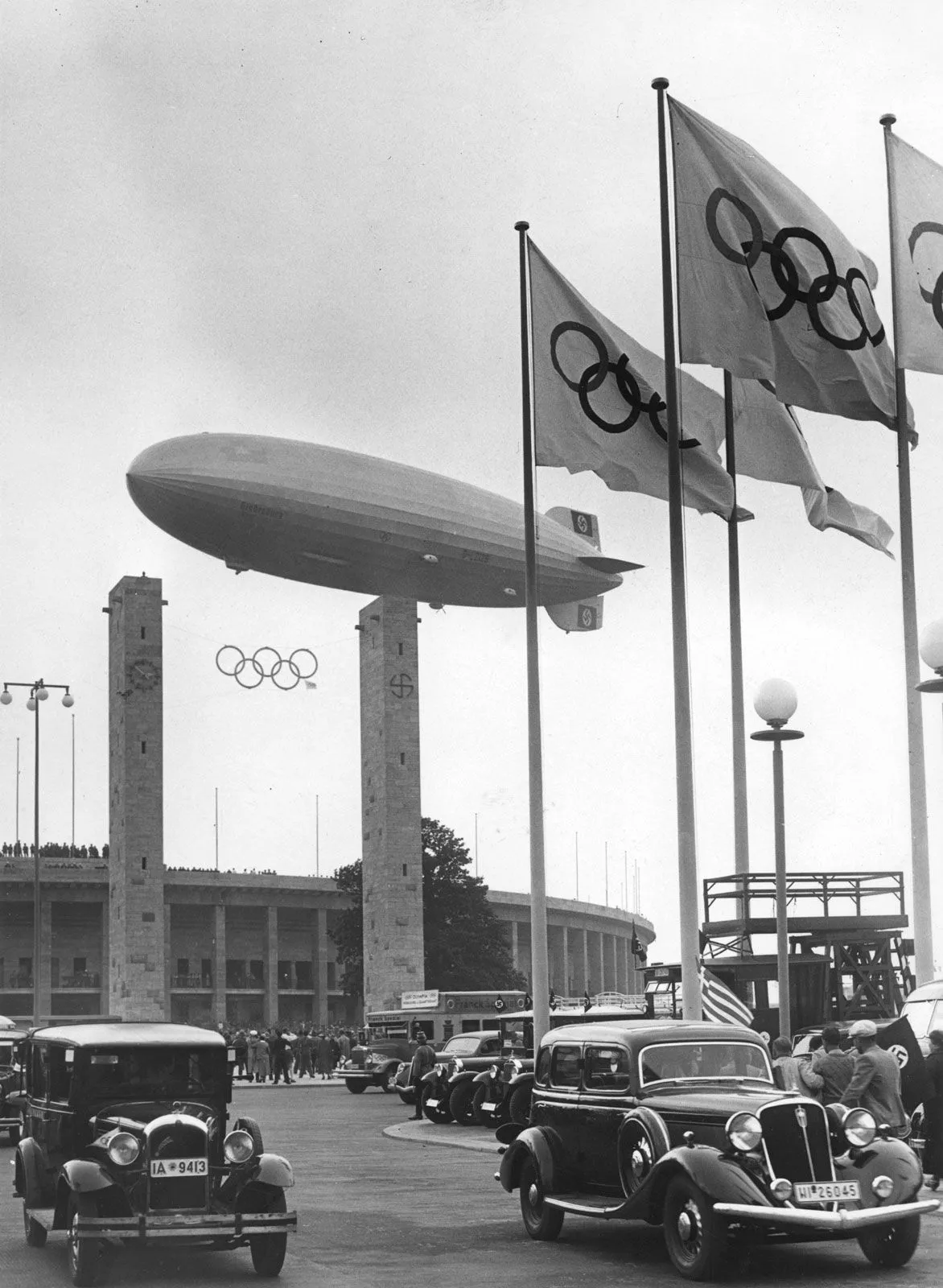 Photo: Berlin Olympics, via cdn.britannica.com
Today's Olympic timing is accurate to the thousandth of a second, with high-speed cameras capturing 10,000 frames per second and laser sensors detecting the exact moment an athlete's torso crosses the line. What once required the wisdom of ten trained judges now happens automatically, processed by computers that never blink, never doubt, never feel the pressure of 40,000 screaming fans.
The Human Element We Lost — and Found Again
But here's the fascinating paradox: as we've eliminated human error from timing and measurement, we've actually increased the importance of human judgment in other areas. Today's Olympic officials make hundreds of subjective calls about technique, form, and rule violations that no camera can definitively resolve.
Gymnastics judges still watch routines with human eyes, awarding scores based on execution and artistry. Swimming officials still call false starts and stroke violations. Track and field judges still determine if a shot put throw is fair or if a high jumper cleared the bar cleanly.
The ancient Greeks would recognize this tension between objective measurement and subjective judgment — they just had to apply it to everything, including who crossed the finish line first.
The Legacy of the Hellanodikai
The next time you watch a photo finish at the Olympics, with cameras zooming in on the finish line and officials studying frame-by-frame replays, remember the Hellanodikai. These ancient judges faced the same fundamental challenge that modern sports technology was invented to solve: how do you determine the truth when human perception reaches its limits?
Their methods were remarkably sophisticated for their time, but more importantly, their absolute authority established a principle that still governs sports today — that someone, somewhere, has to make the final call. Whether it's a purple-robed Greek elder or a computer algorithm, sport requires judgment.
The difference is that today, when the call is wrong, nobody gets fed to the lions. Usually.