The Most Expensive Leap in Sports History
James Brendan Connolly had a choice to make in the spring of 1896: stay at Harvard University and follow the conventional path toward a respectable career, or drop everything to chase a wild dream in a faraway country where they were supposedly reviving some ancient Greek games that had been dead for over a millennium.
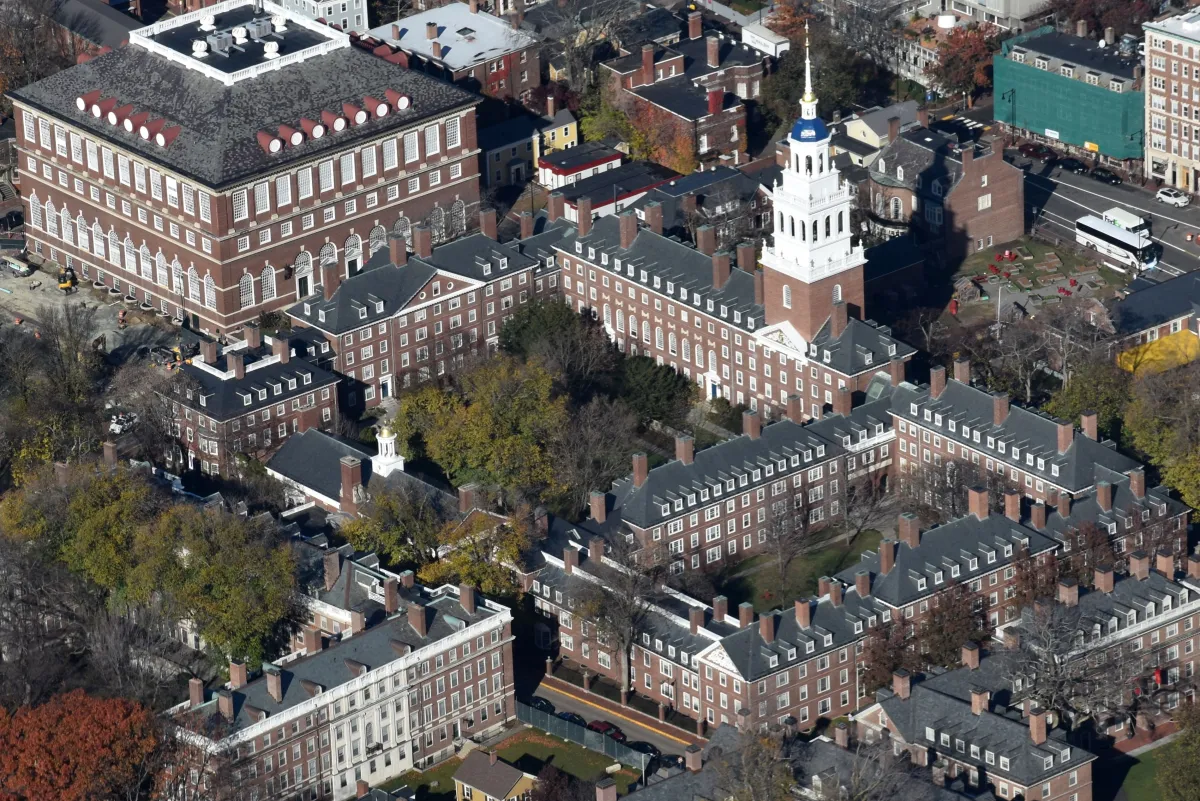 Photo: Harvard University, via www.thoughtco.com
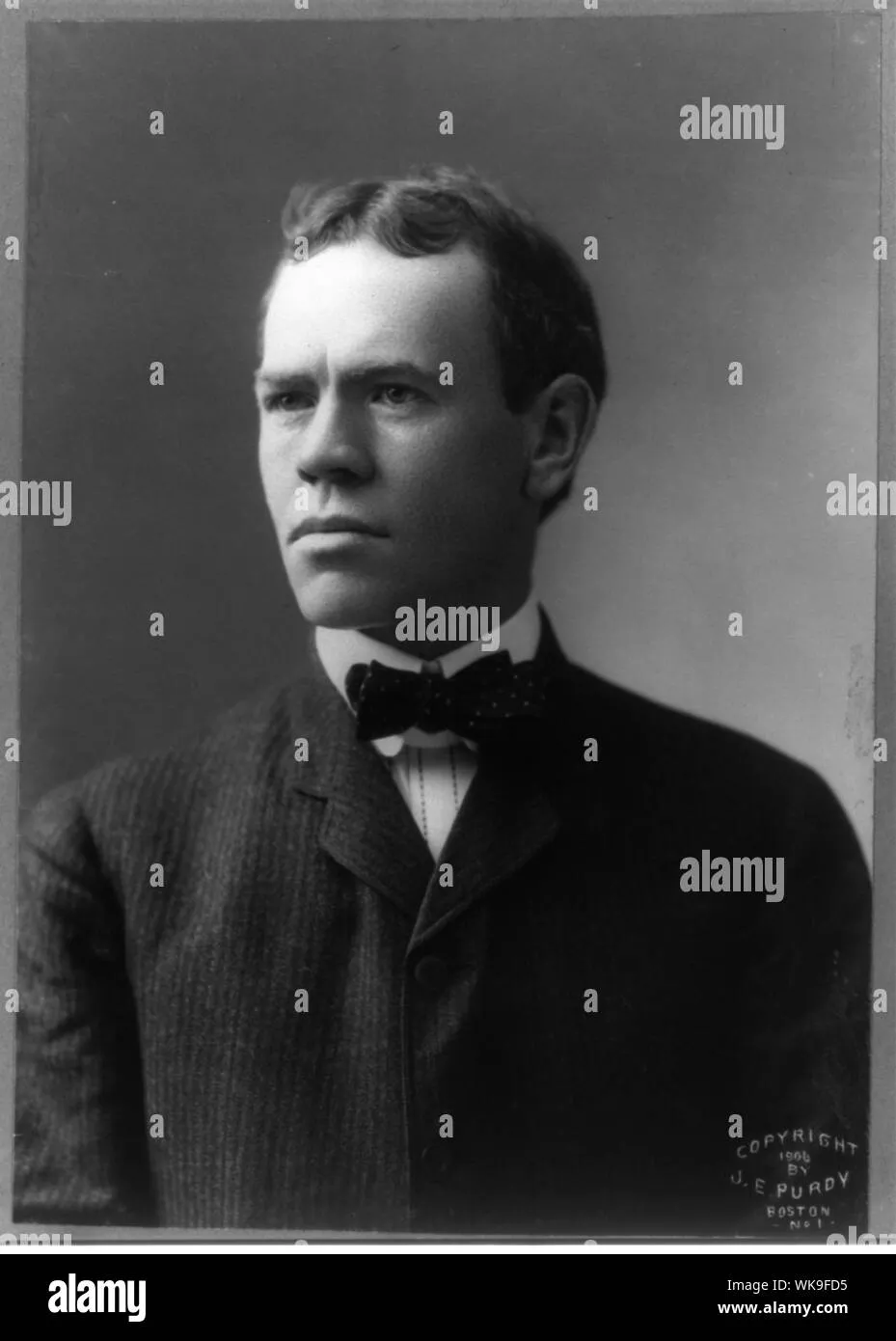 Photo: James Brendan Connolly, via c8.alamy.com
He chose the dream. And in doing so, the 27-year-old Boston native became the first person to win an Olympic medal since a Roman emperor shut down the ancient games in 393 AD.
When Harvard Said No, History Said Yes
Connolly wasn't your typical Ivy League student. Born in South Boston to Irish immigrant parents, he had worked his way into Harvard despite humble beginnings. But when he asked the university for a leave of absence to compete in these mysterious "Olympic Games" being organized in Athens, Harvard's administration was less than enthusiastic.
Their response was essentially: "Choose your education or choose this athletic nonsense, but you can't have both."
Connolly chose the nonsense.
On March 20, 1896, he sailed from New York aboard the steamship Fulda, having scraped together $700 for the journey—roughly $25,000 in today's money. He was one of only 14 Americans making the trip to what many considered a sporting experiment doomed to failure.
The Triple Jump That Bridged Ancient and Modern
When Connolly arrived in Athens, he found himself in the middle of something extraordinary. The Greeks had spent years preparing for this revival of their ancient games, and the entire city was electric with anticipation. King George I himself would be watching.
On April 6, 1896—the first day of competition—Connolly lined up for the triple jump, then called the "hop, step, and jump." The event had been part of the ancient Olympics, making it a perfect bridge between the classical world and whatever this modern experiment might become.
The technique was crude by today's standards. Connolly wore leather shoes with minimal spikes and competed on a grass field. There were no precise measurements, no sophisticated training methods, no sports science. Just raw athletic ability and the kind of grit that gets you to drop out of Harvard.
When Connolly launched himself through the Athens air that afternoon, he landed 13.71 meters from his starting point. It was enough to beat the field and claim the first Olympic victory in 1,503 years.
What 13.71 Meters Meant Then—and What It Means Now
To understand the magnitude of Connolly's achievement, you have to consider what he was up against. This wasn't just another track meet. He was literally making history with every step of his approach run.
But let's be honest about the athletic side: 13.71 meters wouldn't even qualify you for a high school state championship today. The current world record stands at 18.29 meters—nearly 15 feet farther than Connolly's winning jump. Modern triple jumpers routinely clear distances that would have seemed superhuman in 1896.
So what changed? Everything.
Today's triple jumpers train year-round with scientific precision. They study biomechanics, use advanced footwear that can cost hundreds of dollars, and compete on synthetic surfaces designed for maximum energy return. They have access to video analysis, specialized coaching, and nutritional programs that would have been unimaginable in Connolly's era.
Connolly, by contrast, was essentially winging it. He had trained sporadically while working various jobs to pay for college. His "coaching" consisted of whatever advice he could get from other amateur athletes. His equipment was whatever he could afford.
The Weight of Being First
What made Connolly's victory truly remarkable wasn't the distance—it was the courage to be first. When he stepped onto that field in Athens, he had no idea whether these games would be remembered as a historic revival or a spectacular failure.
The ancient Olympics had been the most prestigious athletic competition in the world for nearly 1,200 years before they disappeared. Now, after fifteen centuries of silence, someone had to be brave enough to restart the clock.
Connolly later wrote about the surreal experience of hearing "The Star-Spangled Banner" played in Athens while the American flag was raised in his honor. No American had ever heard their national anthem at an Olympic ceremony before, because no Olympic ceremony had existed for anyone to attend.
The Ripple Effect of One Stubborn Decision
Connolly went on to place second in the high jump and third in the long jump during those 1896 Games. But his legacy was already secured with that first leap.
He returned to the United States as a celebrity and eventually became a successful writer, penning adventure novels and serving as a war correspondent. Harvard, perhaps recognizing the magnitude of what they had dismissed, eventually awarded him an honorary degree in 1949—53 years after he had walked away from their classrooms.
But Connolly's real legacy isn't found in any degree or literary achievement. It's found in every Olympic Games that followed. Every time an athlete stands on a podium and hears their national anthem, they're participating in a tradition that James Connolly helped resurrect on a grass field in Athens.
Why Being First Still Matters
In our age of incremental improvements and scientific training, it's easy to dismiss early Olympic performances as quaint relics. But Connolly's story reminds us that athletic achievement has never been just about raw numbers.
It's about having the courage to leap into the unknown, whether that's dropping out of Harvard to chase an impossible dream or pushing your body to its absolute limits in pursuit of something greater than yourself.
The distance between 13.71 meters and 18.29 meters represents more than just improved training methods and better equipment. It represents the accumulated courage of thousands of athletes who followed Connolly's example and dared to be part of something bigger than themselves.
Every modern Olympic champion owes a debt to the stubborn Boston kid who chose dreams over degrees and became the first person in 1,500 years to prove that the Olympic spirit was worth reviving.