The Journey Was the First Competition: How Getting to the Games Shaped Who Got to Play

The modern Olympic athlete boards a charter flight, sleeps in a business class seat, arrives at a purpose-built Olympic Village with nutritionists and physiotherapists on call, and competes within 48 hours. The hardest part of the journey, logistically speaking, is probably the customs line.
Now consider what it took to reach the ancient Olympic Games at Olympia, Greece.
Olympia sat in the western Peloponnese, tucked into a river valley that was sacred but not particularly convenient. Athletes and their families traveled from across the Greek world — from Athens, from Corinth, from the colonies in Sicily and southern Italy — on foot, by donkey cart, or by small sailing vessel across the unpredictable Aegean. Journeys of two to four weeks were common. The roads, where they existed at all, were rough and exposed. Bandits were a real concern. Summer heat in the Greek countryside was brutal.
And all of that happened before the competition started.
The story of how athletic transportation evolved from a weeks-long ordeal to a logistical afterthought is one of the most overlooked forces in the history of sport — and its effects on who gets to compete have been profound.
The Original Qualifying Round
The ancient Olympic Games operated under a rule that required athletes to arrive at Olympia a full month before the Games began, to train under official supervision and prove they were legitimate competitors. That rule sounds strict. What it actually did was function as an unwritten qualification system based almost entirely on geography and wealth.
An athlete from Elis, the city-state that controlled Olympia, had a short trip. An athlete from the Greek colonies in modern-day Spain or North Africa faced a journey that could take months and required significant financial resources. Wealthy city-states could fund their athletes' travel. Poorer regions, or athletes without powerful patrons, faced a barrier that had nothing to do with their athletic ability.
The ancient Olympics were theoretically open to all free Greek men. In practice, the journey itself was a filter — one that systematically favored proximity, wealth, and political backing over raw talent.
This wasn't unique to Greece. Every major athletic competition throughout history, right up through the early modern era, was shaped in exactly the same way.
The 1896 Problem
When the modern Olympics were revived in Athens in 1896, the organizing committee celebrated the participation of 241 athletes from 14 nations. It was, by the standards of the time, a remarkable international gathering. But the travel realities of the late 19th century meant that the event was, in practice, heavily dominated by athletes who were already in Europe.
Several American athletes who competed in Athens had traveled to Europe for other reasons and essentially added the Olympics to their itinerary. James Connolly, who became the first modern Olympic champion by winning the triple jump, sailed from New York to Naples and then made his way to Athens — a journey that took weeks and required him to drop out of Harvard to make it happen. The American contingent that showed up at those first modern Games was largely self-funded, self-organized, and arrived exhausted from transatlantic travel on steamships that bore little resemblance to modern passenger liners.
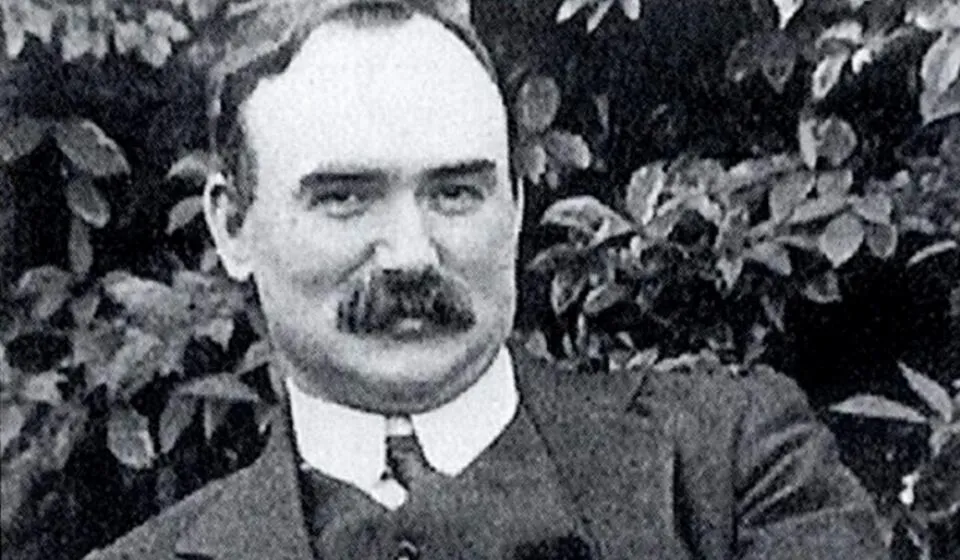 Photo: James Connolly, via www.irishtimes.com
Athletes from countries without direct rail or sea connections to Athens simply didn't come. The competition was international in spirit. Geographically, it was mostly a European affair with a few determined Americans who happened to have the money and the will to make a very long trip.
The Railroad Revolution
The expansion of rail networks across Europe and North America in the mid-to-late 19th century was the first genuine democratization of athletic travel. Suddenly, a competitor from rural Ohio or southern France could reach a major city and then a major competition in days rather than weeks. Travel costs dropped. Journey times collapsed.
This had an immediate and measurable effect on athletic competition. Events that had previously drawn regional competitors began attracting national fields. American track and field, which developed rapidly in the 1880s and 1890s, benefited directly from rail connectivity — athletes from Midwestern universities could reach East Coast competitions that would have been practically inaccessible a generation earlier.
The early modern Olympics reflected this. By the 1904 St. Louis Games — held in conjunction with the World's Fair — American athletes dominated partly because they were simply there, while the transatlantic journey remained prohibitive for most European competitors. Geography was still determining outcomes.
The Air Travel Inflection Point
The transformation that truly remade elite sport was commercial aviation, which expanded dramatically after World War II and became genuinely accessible to athletic programs by the 1960s. The 1960 Rome Olympics and the 1964 Tokyo Games were the first Games where the majority of competing nations could realistically transport full athletic delegations by air within a reasonable timeframe and budget.
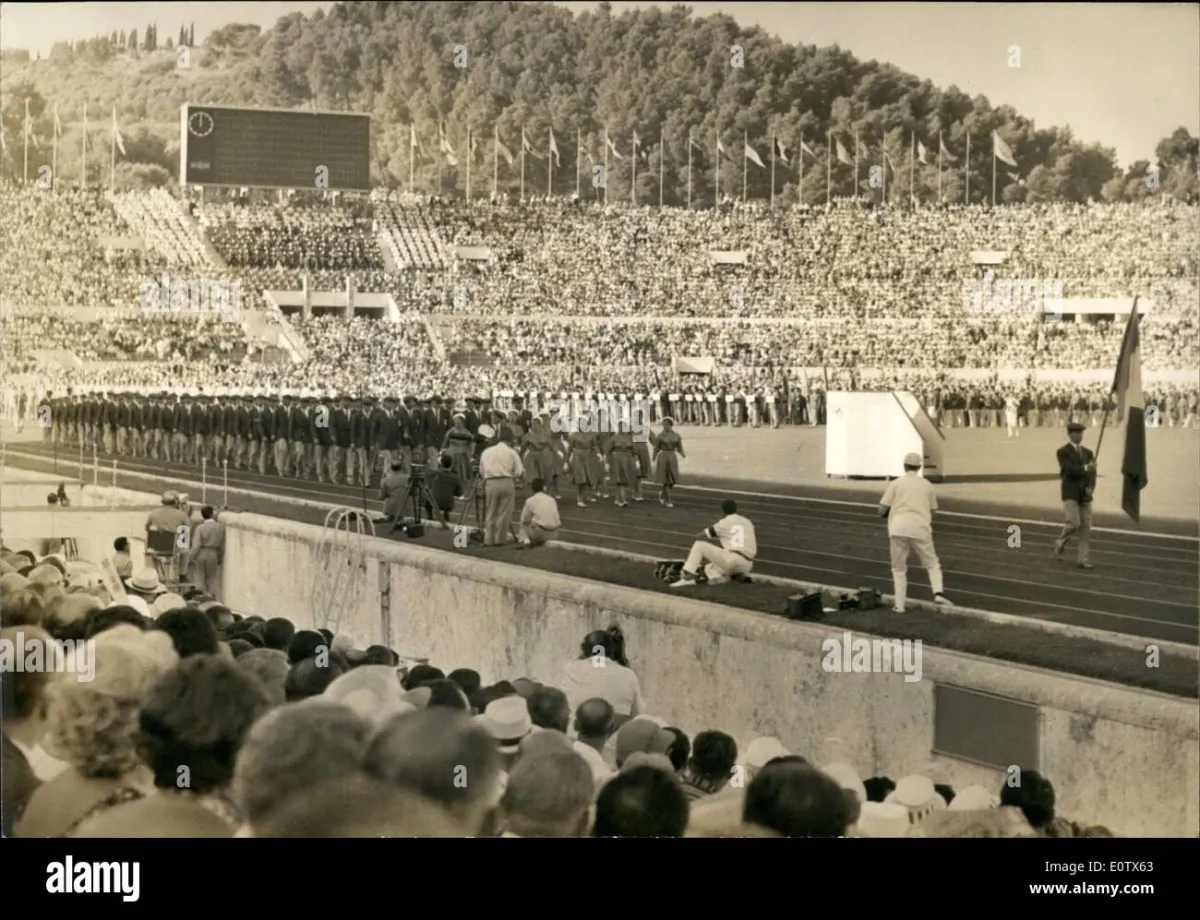 Photo: Rome Olympics, via c8.alamy.com
The effect on competitive diversity was immediate. Nations from sub-Saharan Africa, Southeast Asia, and Latin America began fielding larger, better-prepared delegations. Athletes who would previously have spent weeks at sea arrived fresh. The global talent pool didn't just expand — it deepened, because athletes from every corner of the world could now realistically aspire to Olympic competition without the journey itself being the primary obstacle.
The rise of East African distance running dominance — Kenya and Ethiopia becoming the world's most powerful forces in middle and long-distance events — is partly a story of athletic genetics and training culture, but it's also a story of air travel. When Kenyan runners could realistically compete on the European circuit and at global championships, the world discovered what had always been there.
The Modern Reality
Today's elite athlete operates in a world where transportation infrastructure is so refined that it has essentially disappeared as a variable. A sprinter can compete in Doha on a Friday, fly to Eugene, Oregon, for a Diamond League meet the following Thursday, and be in Zurich the week after that. The 48-hour competition-to-competition window that would have been physically impossible for most of human history is now routine.
This has produced a genuinely global athletic marketplace. Talent from every continent competes on the same stages, measured by the same clocks, under the same rules. The ancient filter — the one that kept a gifted athlete from a distant region from ever reaching the starting line — has been effectively dismantled.
What remains is a different kind of inequality: the gap between nations with sophisticated athletic infrastructure and those without. The flight gets an athlete to the stadium. What happens before and after the flight — the coaching, the nutrition, the facilities, the medical support — is where the modern competitive divide lives.
But that's a different story. The journey, at least, is no longer the competition.
From Olympia to the Olympic Village, the road got shorter. And sport got bigger every time it did.