When we picture the ideal athletic body, many of us conjure images of ancient Greek sculptures—perfectly proportioned figures with defined abs, broad shoulders, and classical symmetry carved in marble. But here's the fascinating reality: those statues weren't accurate representations of actual ancient athletes. They were artistic ideals, and the real bodies that competed in ancient Olympia looked remarkably different from both the sculptures and today's hyper-specialized Olympic champions.
So what did ancient Greek athletes actually look like? And how do their physiques compare to the sport-specific builds that dominate modern Olympic podiums? The answers reveal just how dramatically our understanding of athletic performance has evolved over nearly three millennia.
The Reality Behind the Marble
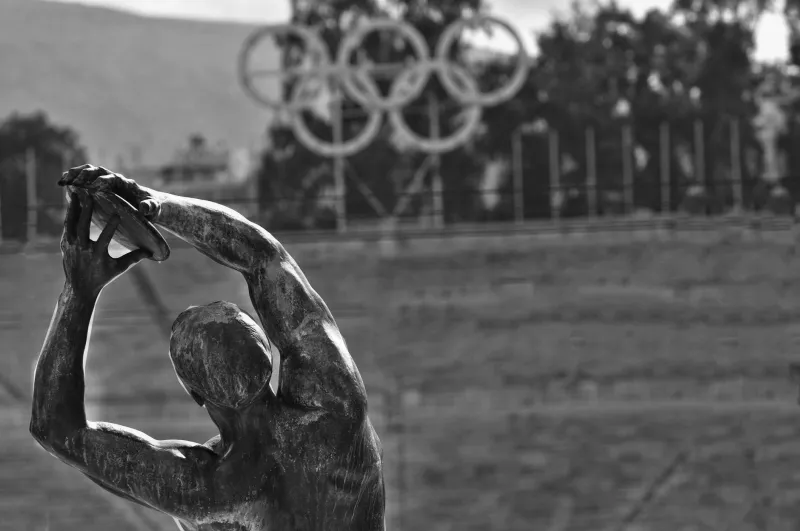
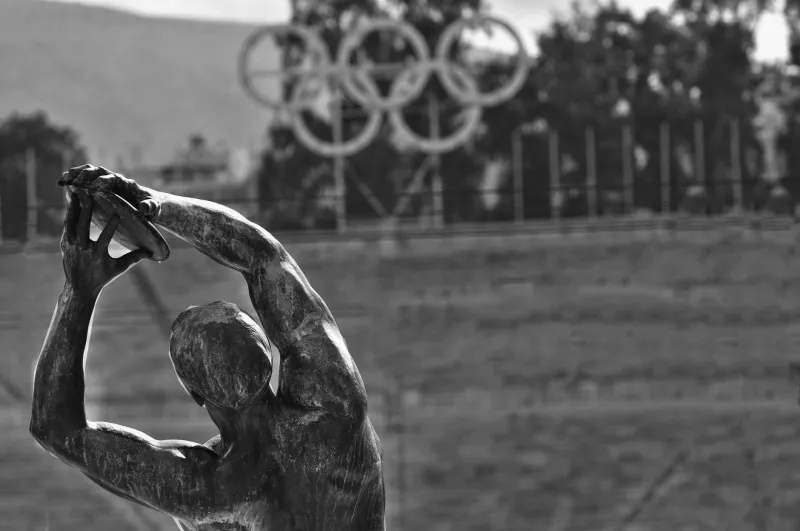
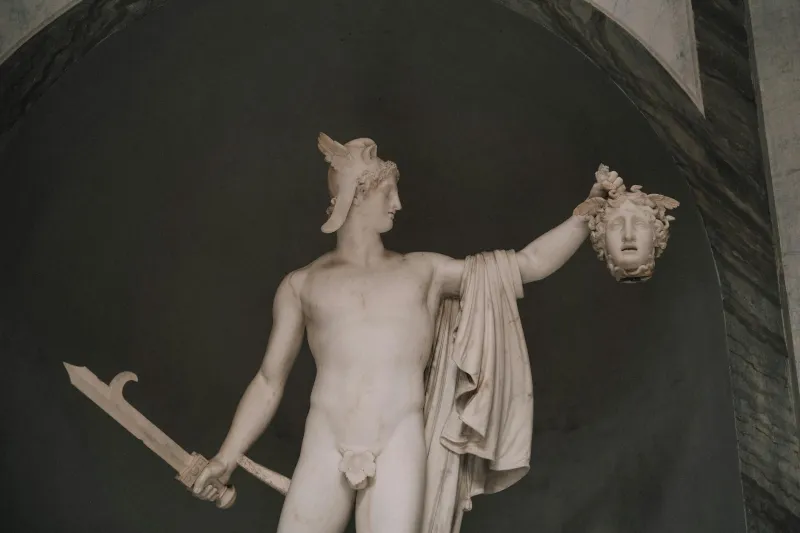
Those famous Greek statues—the Discus Thrower, the Doryphoros—weren't documentary photography. They were idealized representations based on mathematical proportions and philosophical concepts of perfection, not actual measurements of elite athletes. Real ancient Greek competitors were built more like today's decathletes: well-rounded, strong, but not the hyper-defined specimens that marble immortalized.
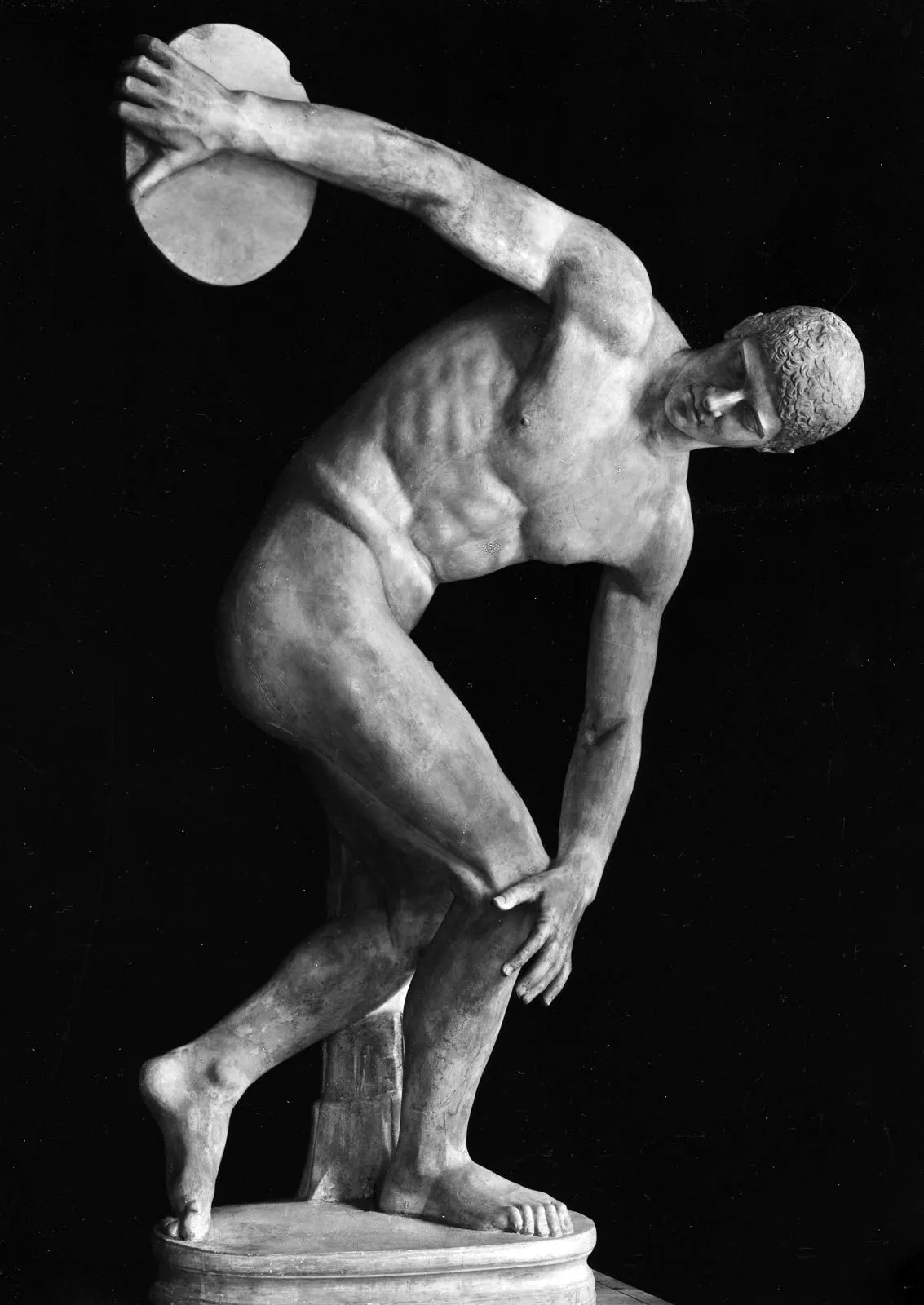 Photo: Discus Thrower, via cdn.britannica.com
Archaeological evidence from ancient Olympic sites tells a different story than the sculptures. Skeletal remains and ancient artwork suggest that most Olympic competitors were relatively compact and muscular, but without the extreme specialization we see today. A typical ancient Olympic athlete stood around 5'7" to 5'9" and weighed between 150-170 pounds—smaller than many modern Olympic competitors, but built for versatility rather than single-event dominance.
The ancient Greek training philosophy emphasized balance and overall physical development. Athletes trained for multiple events, not just one specialty. This created bodies that were strong and capable across various physical demands, but without the extreme adaptations that modern training produces.
Ancient Training: The Original CrossFit
Ancient Greek athletic training would look familiar to anyone who's tried modern functional fitness programs. Athletes spent their days in the gymnasium performing a variety of exercises: wrestling, running, jumping, throwing weights, and boxing. This cross-training approach created well-rounded physiques that could handle diverse physical challenges.
The ancient training day typically began with running—not the specialized sprint or distance training we know today, but varied running that included everything from short bursts to longer endurance efforts. Athletes then moved to wrestling, which served as both sport-specific training and general conditioning. Wrestling in ancient Greece was far more comprehensive than modern versions, incorporating elements that today we'd recognize as martial arts, gymnastics, and strength training.
Weightlifting existed, but not as we know it. Ancient athletes lifted stones, metal weights called halteres, and even lifted each other. These exercises built functional strength rather than the isolated muscle development that modern bodybuilding emphasizes. The result was muscle that looked more natural and proportional, without the extreme definition or size of today's strength athletes.
The Nutrition Gap
One of the biggest differences between ancient and modern athletic bodies comes down to diet. Ancient Greek athletes ate well by the standards of their time—lots of meat, cheese, bread, and wine—but their nutrition was primitive compared to modern sports science.
Without protein supplements, carefully calculated macronutrients, or performance nutrition, ancient athletes couldn't achieve the extremely low body fat percentages that define modern physiques. A successful ancient athlete might have carried 12-15% body fat, compared to the 6-8% common among today's elite competitors. This gave ancient athletes a more natural, less defined appearance despite their impressive strength and conditioning.
The lack of modern nutrition also meant ancient athletes were generally smaller. Without optimized protein intake, growth hormones, and scientific training periodization, even the most dedicated ancient athlete couldn't achieve the size that modern training produces.
Modern Specialization: Bodies Built for One Thing
Walk through the Olympic Village today, and you'll see bodies that look like they were designed by engineers for specific tasks. Swimmers have the broad shoulders and tapered waists that reduce drag. Sprinters carry explosive muscle mass in their legs while maintaining relatively light upper bodies. Distance runners are built like efficient machines, with minimal upper body mass and legs designed for endless repetition.
This specialization would have been incomprehensible to ancient Greeks. Modern Olympic swimmers like Katie Ledecky or Caeleb Dressel have shoulder-to-waist ratios that ancient artists might have considered unnatural. Elite marathoners like Eliud Kipchoge carry so little upper body mass that they'd appear almost frail by ancient standards, despite being capable of running 26.2 miles faster than ancient Greeks could probably sprint a single mile.
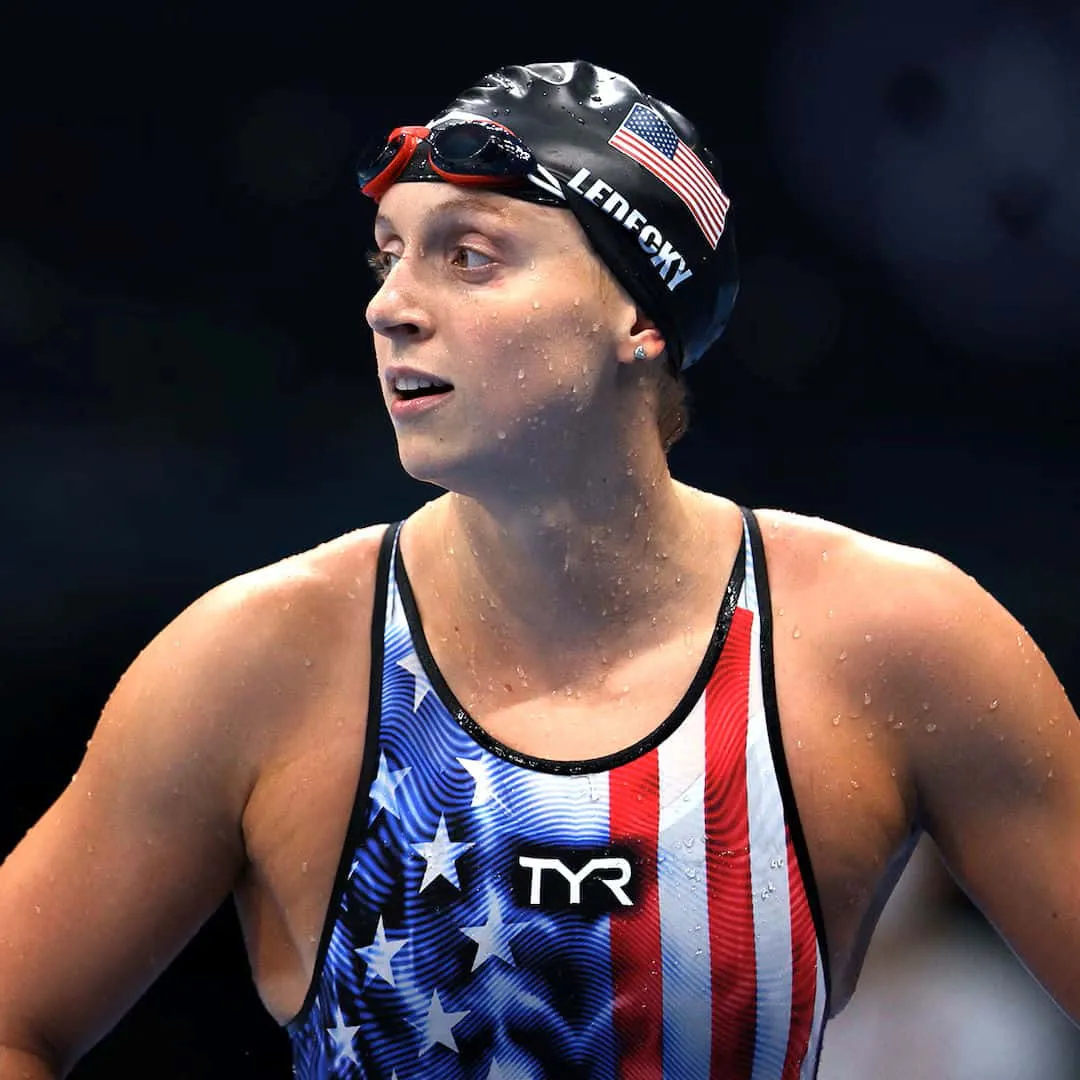 Photo: Katie Ledecky, via wallpapers.com
The modern understanding of sport-specific adaptation has created athletes who are incredibly efficient at their chosen events but might struggle with the general physical demands that ancient athletes handled easily. A modern Olympic shot-putter might be three times stronger than any ancient athlete, but probably couldn't complete the varied physical challenges that defined ancient Olympic training.
The Science of Specialization
Modern sports science has revealed that the human body adapts incredibly specifically to training demands. Endurance training creates different muscle fiber adaptations than power training. Swimming develops different muscle patterns than running. This knowledge allows modern athletes to optimize their bodies for single events in ways that ancient athletes never imagined.
Take modern sprinters. Through careful analysis of biomechanics, modern sprint training creates bodies that are essentially human sports cars—built for explosive power over very short distances. Ancient Greek sprinters were fast, but they were also expected to compete in wrestling, jumping, and throwing events. This meant their bodies had to be good at many things rather than perfect at one thing.
Modern Olympic weightlifters provide perhaps the starkest contrast to ancient ideals. Athletes like Lasha Talakhadze carry massive amounts of muscle mass specifically designed to move maximum weight overhead. At 6'6" and over 350 pounds, Talakhadze represents a level of size and strength specialization that would have seemed monstrous to ancient Greeks, who valued proportion and balance above pure power.
What Ancient Athletes Got Right
Despite lacking modern science, ancient Greek training produced some advantages that modern athletics has lost. The emphasis on overall physical development created athletes who were remarkably durable and versatile. Ancient Olympic competitors rarely suffered the overuse injuries that plague modern specialized athletes.
The ancient approach also created more balanced physiques. While modern athletes optimize for performance, ancient training created bodies that were both functional and aesthetically pleasing by general standards. An ancient Olympic champion could probably handle modern everyday physical demands better than many specialized modern athletes.
Ancient training was also more sustainable. Modern Olympic-level training often requires athletes to retire in their twenties or early thirties due to the physical toll of extreme specialization. Ancient athletes often competed well into their thirties and remained physically capable throughout their lives.
The Enduring Appeal of the Ancient Ideal
There's a reason those ancient Greek sculptures still define our aesthetic ideals for athletic bodies. They represent a balance between strength, proportion, and natural human form that extreme modern specialization sometimes abandons. While modern athletes are undoubtedly more capable in their specific events, the ancient Greek ideal of balanced physical development continues to appeal to those seeking general fitness and health.
Today's fitness trends often circle back to ancient principles. CrossFit, functional training, and athletic development programs all emphasize the kind of varied, balanced training that ancient Greeks pioneered. In some ways, modern recreational athletes are rediscovering training methods that ancient Olympic champions never abandoned.
The contrast between ancient and modern athletic bodies tells the story of human optimization itself. Ancient athletes worked with natural training methods to develop balanced, capable physiques. Modern athletes use scientific precision to push the absolute limits of human performance in specific areas. Both approaches have created remarkable achievements—just very different kinds of human excellence.