Walk through any major American university today, and you'll find state-of-the-art training facilities worth millions of dollars. But at the turn of the 20th century, some of the greatest Olympic champions in track and field history emerged from modest college towns with little more than dirt tracks and basic equipment. What these small institutions lacked in resources, they made up for in something far more powerful: a revolutionary approach to athletic training that would dominate the early modern Olympics.
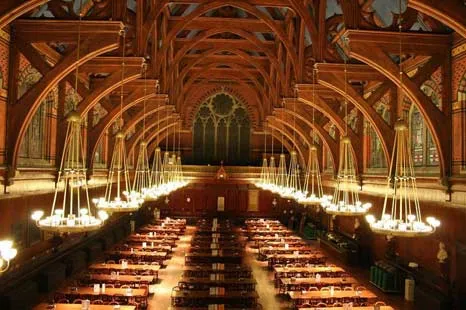 Photo: Harvard University, via 1.bp.blogspot.com
The Unlikely Powerhouses
Between 1896 and 1920, American universities didn't just participate in Olympic track and field—they owned it. Schools like Yale, Harvard, and Princeton weren't just Ivy League institutions; they were Olympic medal factories. But even more surprising were the smaller colleges that punched well above their weight.
Consider the University of Pennsylvania, which in the early 1900s produced more Olympic track champions than entire countries. Or Syracuse University, a relatively modest institution in upstate New York that somehow managed to send multiple sprinters to Olympic podiums. These weren't massive athletic programs with unlimited budgets—they were college towns where innovative coaches stumbled upon training methods that the rest of the world hadn't yet discovered.
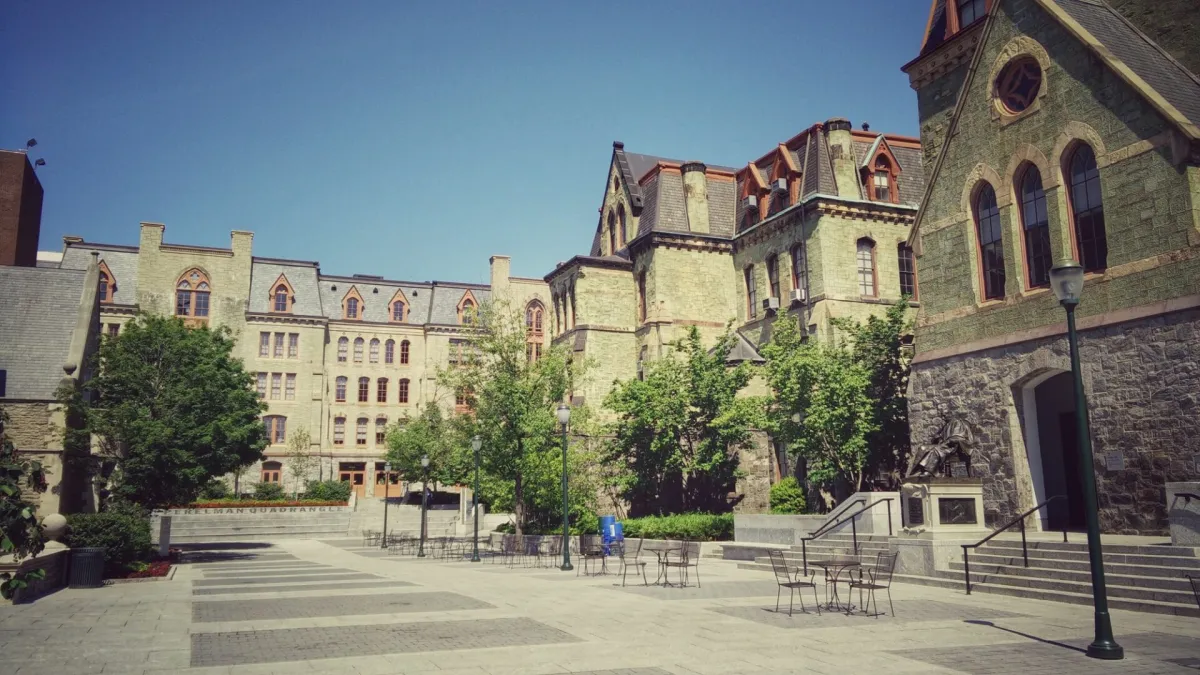 Photo: University of Pennsylvania, via www.visionsoftravel.org
The numbers tell an incredible story. At the 1908 London Olympics, American collegiate athletes won 15 of the 27 track and field gold medals. Many of these champions came from schools with fewer than 2,000 students total. It wasn't just about population or resources—it was about culture.
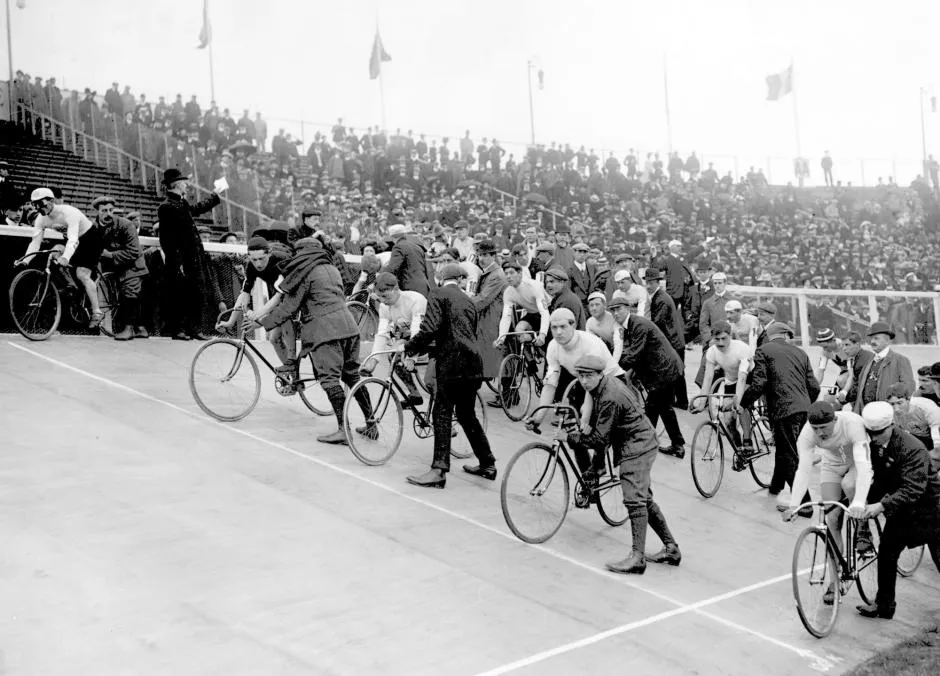 Photo: 1908 London Olympics, via 1funny.com
The Secret Sauce of Collegiate Training
What made these college programs so dominant? The answer lies in a perfect storm of American innovation and athletic philosophy that Europe hadn't yet embraced.
First, American colleges treated athletics as an integral part of education, not just recreation. While European athletes often trained individually or in small clubs, American students had access to organized coaching, regular competition, and year-round training schedules. This systematic approach created consistency that individual training couldn't match.
The coaching itself was revolutionary. Men like Mike Murphy at the University of Pennsylvania and Keene Fitzpatrick at Princeton weren't just former athletes teaching what they knew—they were experimenting with scientific training methods. They studied stride length, breathing techniques, and recovery periods with an analytical approach that wouldn't become standard internationally for decades.
Perhaps most importantly, these programs created a culture of competitive excellence. College meets drew thousands of spectators, creating an atmosphere of high-stakes competition that prepared athletes for Olympic pressure. Students competed not just for personal glory, but for school pride—a motivation that proved incredibly powerful.
The Ivy League Sprint Factory
Take Harvard's track program in the early 1900s. The school's quarter-mile track was nothing special—a simple oval with basic facilities. But under coach Bill Reid, Harvard produced Olympic champions like Arthur Duffey, who set world records in the 100-yard dash that stood for years.
Duffey's training regimen would seem almost quaint by today's standards. He ran intervals on Harvard's track, lifted basic weights, and followed a diet heavy on meat and vegetables. No sports scientists, no altitude training, no performance analytics. Yet in 1902, he ran 100 yards in 9.6 seconds—a time that, adjusted for track conditions and timing methods, was remarkably close to what world-class sprinters achieve today.
The key was consistency and competition. Duffey raced against other Harvard athletes daily, pushing each other to improve through constant rivalry. This internal competition created a training environment more intense than many professional programs.
When Amateur Rules Actually Helped
Ironically, the strict amateur rules of early Olympic competition played perfectly into American collegiate strengths. While European athletes often had to choose between work and training, American college students could focus entirely on athletics for four years while pursuing their education.
This created a unique window of athletic development. Students arrived at college at 18, trained intensively for four years under expert coaching, and graduated at 22—right at their athletic peak. Many Olympic records from this era were set by athletes in their early twenties who had benefited from this collegiate system.
The amateur rules also meant that natural talent mattered more than resources. A farm boy from Iowa could earn a scholarship to a major university and find himself training alongside future Olympians. This democratic access to elite coaching created a broader talent pool than existed anywhere else in the world.
The Global Shift
By the 1920s, the American collegiate dominance began to fade as other countries adopted similar systematic training approaches. European nations established national athletic programs, and the Soviet Union would later create state-sponsored training systems that dwarfed anything American colleges could offer.
Today's Olympic track and field reflects this global evolution. Champions come from Kenya, Jamaica, Ethiopia, and dozens of other nations, each with specialized training systems tailored to specific events. The idea that a single country—let alone a handful of small colleges—could dominate multiple events seems almost impossible.
Modern American collegiate athletics still produce Olympic champions, but they're part of a much larger, more diverse ecosystem. Stanford and USC send athletes to the Olympics, but so do training centers in Kenya's Rift Valley and Jamaica's high school programs.
The Lasting Legacy
The early American collegiate dominance of Olympic track and field represents more than just athletic success—it demonstrates how innovation and systematic thinking can overcome resource limitations. Those small college towns proved that the right culture and coaching methods could produce world-beating athletes without massive infrastructure.
Today's Olympic training involves sports science, nutrition specialists, and million-dollar facilities. But the fundamental principles those early college programs discovered—consistent training, expert coaching, competitive environments, and holistic athlete development—remain the foundation of elite athletic performance.
The next time you watch Olympic track and field, remember those small American college towns that once ruled the world's biggest stage. They proved that greatness in athletics isn't just about having the most resources—it's about using the right methods with unwavering dedication.