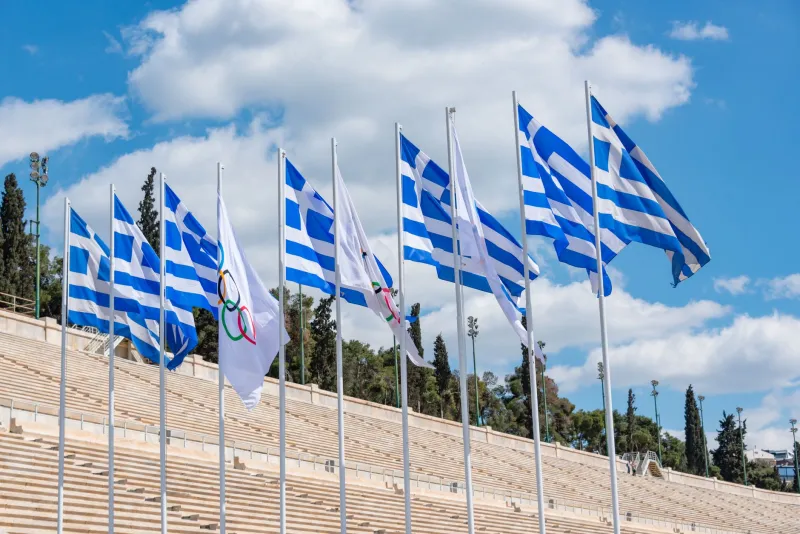
Olive Oil and Animal Sacrifice: The Bizarre Pre-Game Rituals Ancient Athletes Swore By
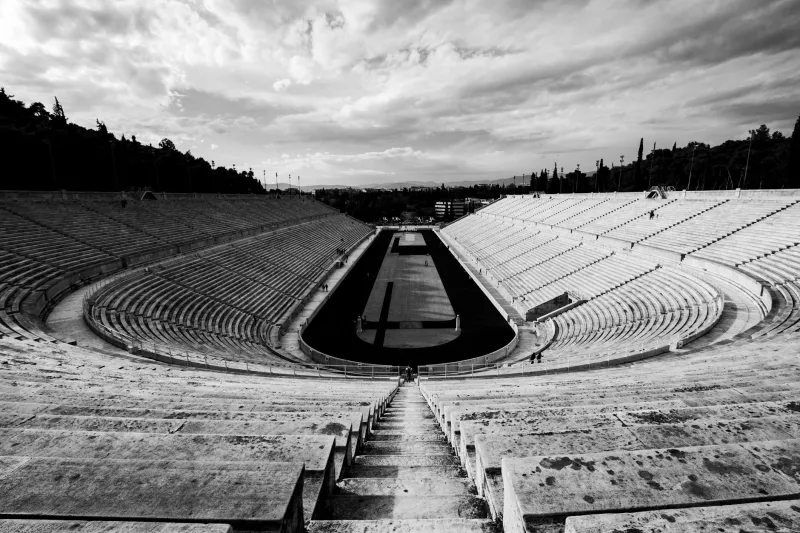
When Gods Mattered More Than Glutes
Imagine watching Usain Bolt prepare for the 100-meter final by slaughtering a goat, coating his entire body in olive oil, and offering prayers to Zeus while completely ignoring any form of stretching or dynamic warm-up. That's essentially what passed for pre-competition preparation in ancient Greece, where Olympic athletes believed divine favor mattered far more than hamstring flexibility.
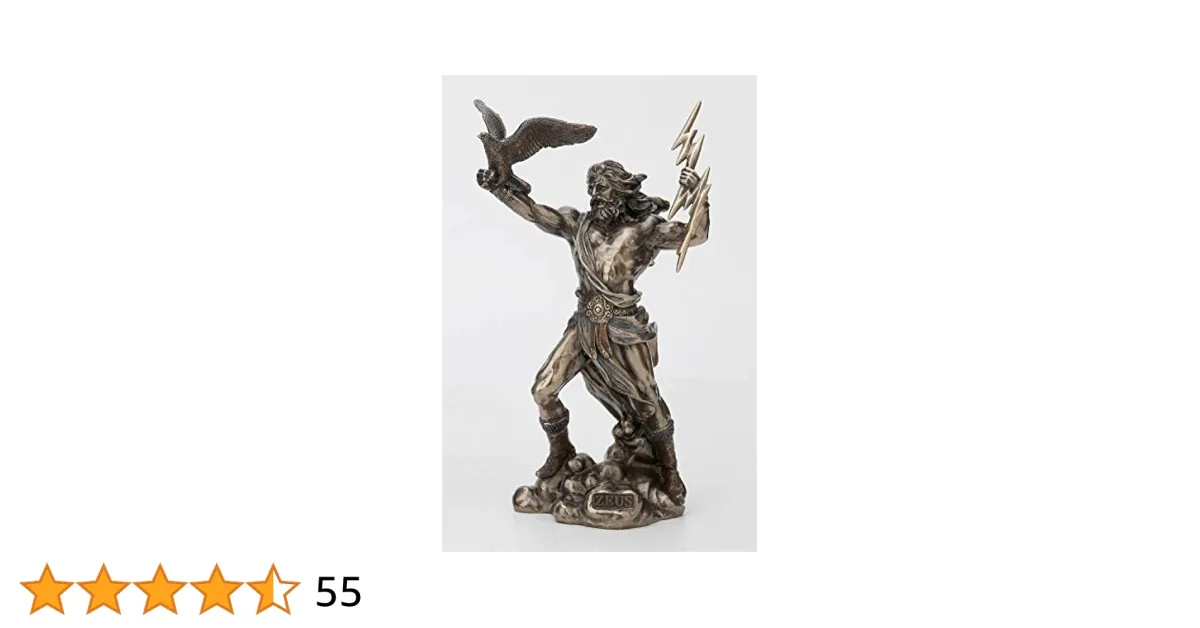 Photo: Zeus, via m.media-amazon.com
 Photo: Usain Bolt, via www.nbc.com
Modern Olympic sprinters spend 90 minutes in carefully choreographed warm-up routines designed by sports scientists. Ancient Greek sprinters spent their pre-race time in religious ceremonies designed by priests. The contrast reveals just how dramatically our understanding of athletic performance has evolved – and how much we've lost touch with sport's spiritual origins.
The Sacred Slaughter
Every ancient Olympic competition began with animal sacrifice. Athletes and their trainers would gather at dawn to offer bulls, goats, or sheep to Zeus, believing that proper religious observance was the key to victory. The ritual wasn't symbolic – it involved actual blood, actual altars, and actual priests interpreting the will of the gods through examining animal entrails.
This wasn't considered superstition; it was considered essential preparation. Ancient Greeks viewed athletic competition as a form of religious worship, where human physical excellence honored the gods. Skipping the sacrifice would be like a modern athlete competing without warming up – not just foolish, but potentially dangerous.
The contrast with today's pre-competition science is stark. Modern Olympic athletes arrive at the warm-up track 90-120 minutes before their event. They follow precisely timed protocols: light jogging, dynamic stretching, activation drills, practice starts, and mental visualization. Every movement serves a physiological purpose backed by decades of research into muscle fiber recruitment, nervous system activation, and injury prevention.
The Oil Treatment Revolution
After the religious ceremonies, ancient athletes underwent what they called the "oil treatment" – a full-body application of olive oil that served multiple purposes in their minds. The oil was supposed to make muscles more supple, protect skin from sun damage, and create a connection between the athlete and Athena, goddess of wisdom and strategic warfare.
Athletes would spend significant time having trainers massage olive oil into every muscle group, often mixing in sand or dust for texture. They believed this made their bodies more "fluid" and responsive. From a modern perspective, this actually wasn't entirely wrong – the massage element probably did increase blood flow and muscle temperature, though the olive oil itself provided minimal performance benefit.
Today's warm-up science focuses on similar goals through completely different methods. Modern athletes use dynamic stretching to increase muscle temperature and range of motion, activation exercises to "wake up" dormant muscle groups, and sport-specific movements to prepare their nervous system for competition demands. Where ancient athletes relied on oil and faith, modern athletes rely on biomechanics and physiology.
The Stretching Revolution That Never Happened
Perhaps most shocking to modern athletes: ancient Greeks didn't stretch. At all. The concept of flexibility training was completely foreign to their athletic culture. They viewed the body as either ready for competition or not – there was no middle ground that could be improved through preparation.
This wasn't due to ignorance about the body's capabilities. Ancient Greek physicians like Hippocrates understood anatomy quite well. But they believed athletic ability was fundamentally determined by divine favor and natural talent, not by preparation techniques that could be learned or improved.
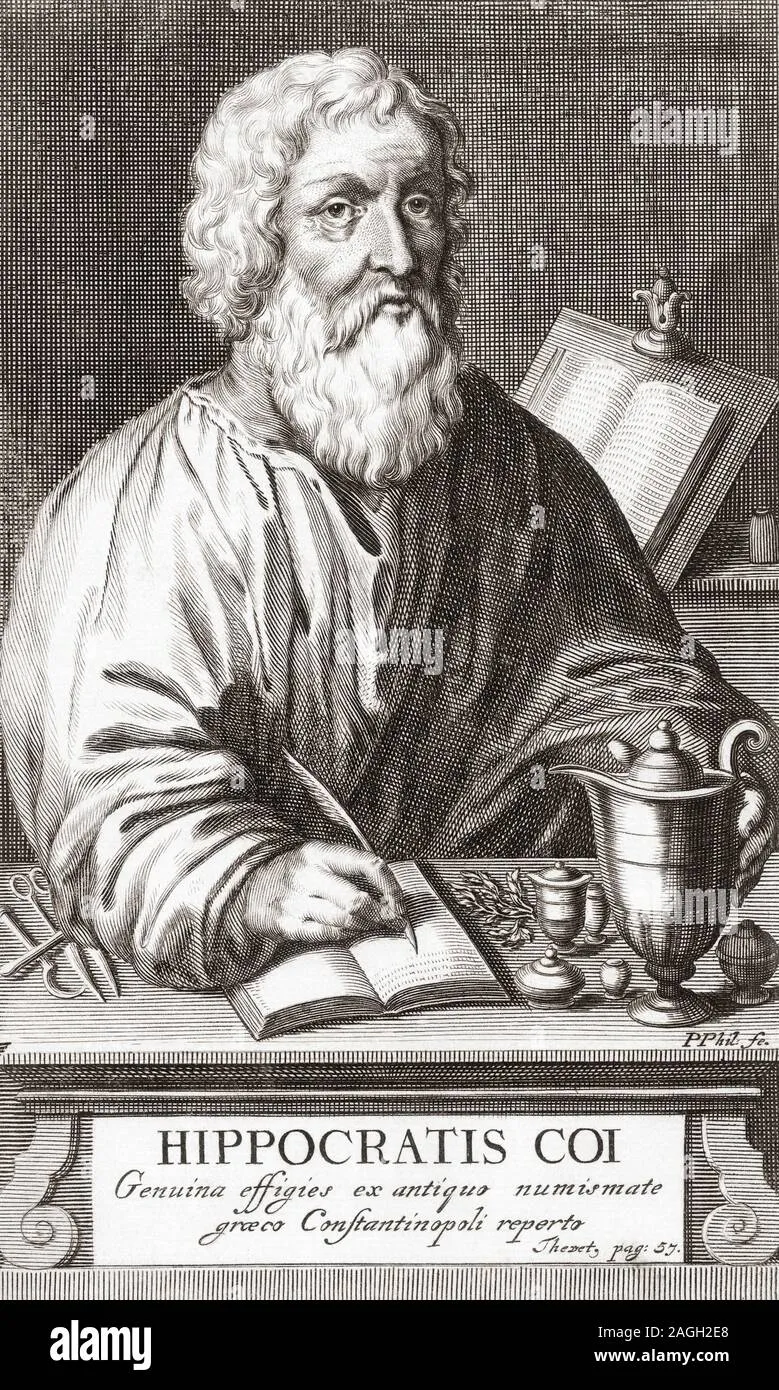 Photo: Hippocrates, via c8.alamy.com
Modern Olympic athletes spend 20-30 minutes on dynamic warm-up routines specifically designed to prepare their bodies for explosive movement. They perform leg swings, high knees, butt kicks, and sport-specific movement patterns that gradually increase in intensity. This preparation is based on understanding that cold muscles are injury-prone muscles, and that the nervous system needs time to transition from rest to maximum performance.
Mind Games vs. Divine Favor
Ancient athletes did engage in one practice that resembles modern sports psychology: they spent time visualizing victory and reciting their accomplishments to build confidence. However, this wasn't about mental preparation in the modern sense – it was about convincing the gods they were worthy of divine assistance.
Athletes would recite their training history, their family's athletic achievements, and their devotion to the gods. They believed this would influence divine judgment about who deserved to win. In essence, they were lobbying Zeus rather than preparing their minds for competition.
Modern sports psychology takes a completely different approach. Today's Olympic athletes use visualization to rehearse perfect technique, manage pre-competition nerves, and create mental blueprints for optimal performance. They're not trying to influence external forces – they're optimizing their own psychological state for peak performance.
What Ancient Athletes Got Right
Despite their seemingly primitive methods, ancient athletes understood something modern sports science has rediscovered: the mind-body connection in athletic performance. Their religious rituals served as powerful psychological preparation, creating confidence and focus through familiar, meaningful ceremonies.
The olive oil massages, while not scientifically optimal, did increase blood flow and muscle temperature. The emphasis on mental preparation, even if directed toward gods rather than personal psychology, recognized that athletic performance involves more than just physical readiness.
Most importantly, ancient athletes understood that preparation matters. They may have attributed their methods' effectiveness to divine intervention, but they still showed up ready to compete with confidence and focus.
From Sacred to Scientific
The evolution from olive oil and animal sacrifice to dynamic warm-ups and sports science represents more than just improved knowledge – it reflects a fundamental shift in how we view human potential. Ancient athletes saw themselves as vessels for divine will, limited by fate and favor. Modern athletes see themselves as engines that can be optimized through knowledge and preparation.
Both approaches recognize that peak athletic performance requires more than just showing up. Whether through religious ceremony or scientific protocol, athletes have always understood that the moments before competition can determine the outcome. The methods have changed dramatically, but the underlying truth remains: preparation matters, confidence matters, and the mind-body connection in athletics is real.
The next time you watch an Olympic athlete go through their pre-competition routine, remember those ancient Greeks coating themselves in olive oil and praying to Zeus. They were solving the same puzzle with different tools – and in their own way, they weren't entirely wrong about what it takes to perform when everything is on the line.