Ancient to Modern Where the History of Sport Comes Alive

Ancient to Modern

Where the History of Sport Comes Alive

Latest Articles

The American Who Helped Save the Olympics — and Almost Nobody Remembers His Name
Origins of Sport

The American Who Helped Save the Olympics — and Almost Nobody Remembers His Name

When Pierre de Coubertin set out to revive the Olympic Games in the 1890s, one of his most important allies was an American college professor named William Milligan Sloane. The US went on to dominate those first modern Games in Athens — largely thanks to a group of self-funded college kids who showed up half-prepared and still won 11 gold medals.

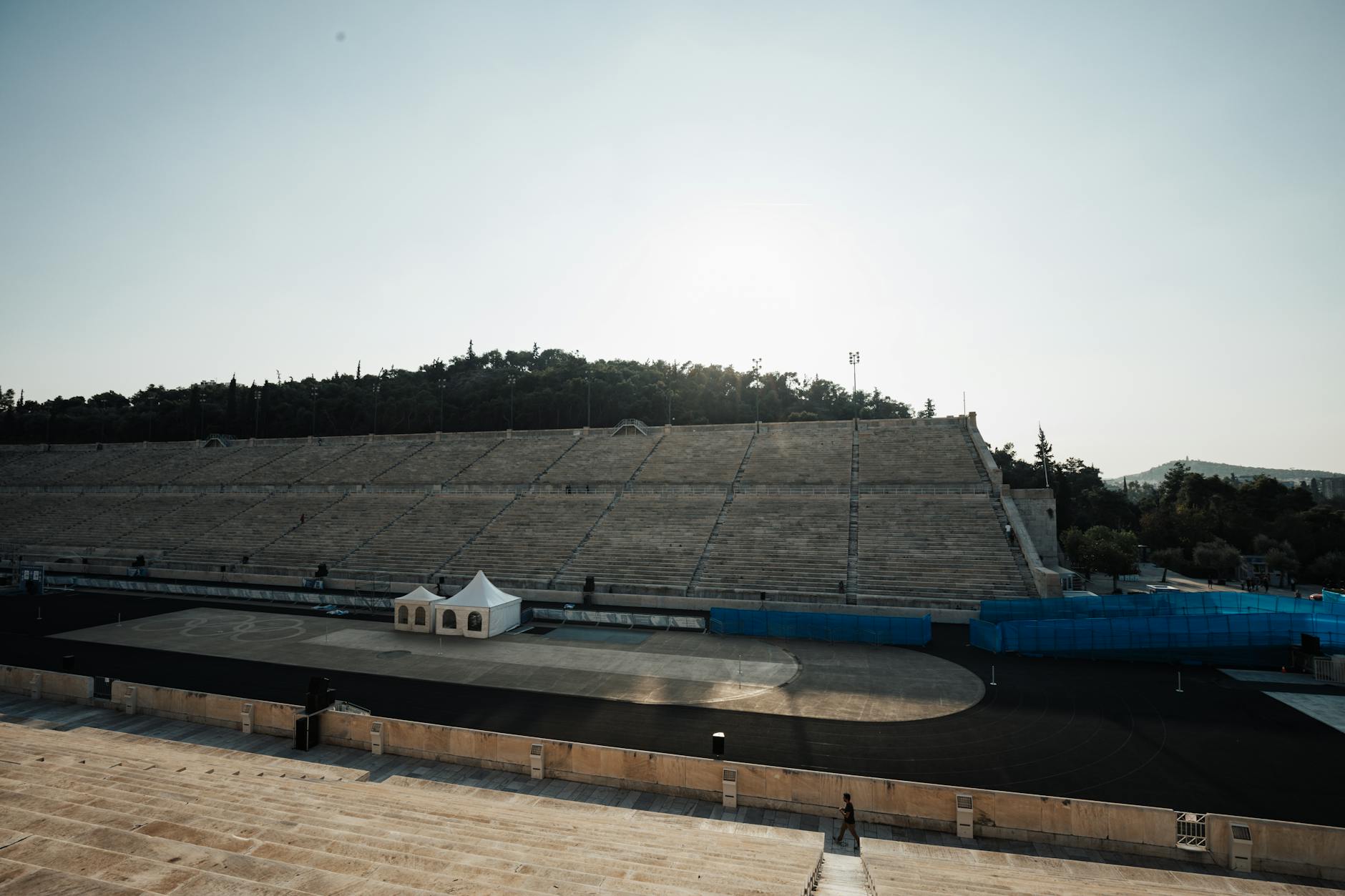
Still Standing: 7 Ancient Greek Olympic Events That Made It to the Modern Games — and How Different They Look Now
Origins of Sport

Still Standing: 7 Ancient Greek Olympic Events That Made It to the Modern Games — and How Different They Look Now

Wrestling, javelin, discus, the sprint — these events were crowd favorites in ancient Olympia, and they're still on the program today. But 2,800 years of evolution have changed almost everything about how they're actually competed. Here's a side-by-side look at then versus now.

Zero to 9.58: How the 100-Meter Dash Went From Bare Feet on Sand to the Fastest Thing in Human Sports
Records Then vs Now

Zero to 9.58: How the 100-Meter Dash Went From Bare Feet on Sand to the Fastest Thing in Human Sports

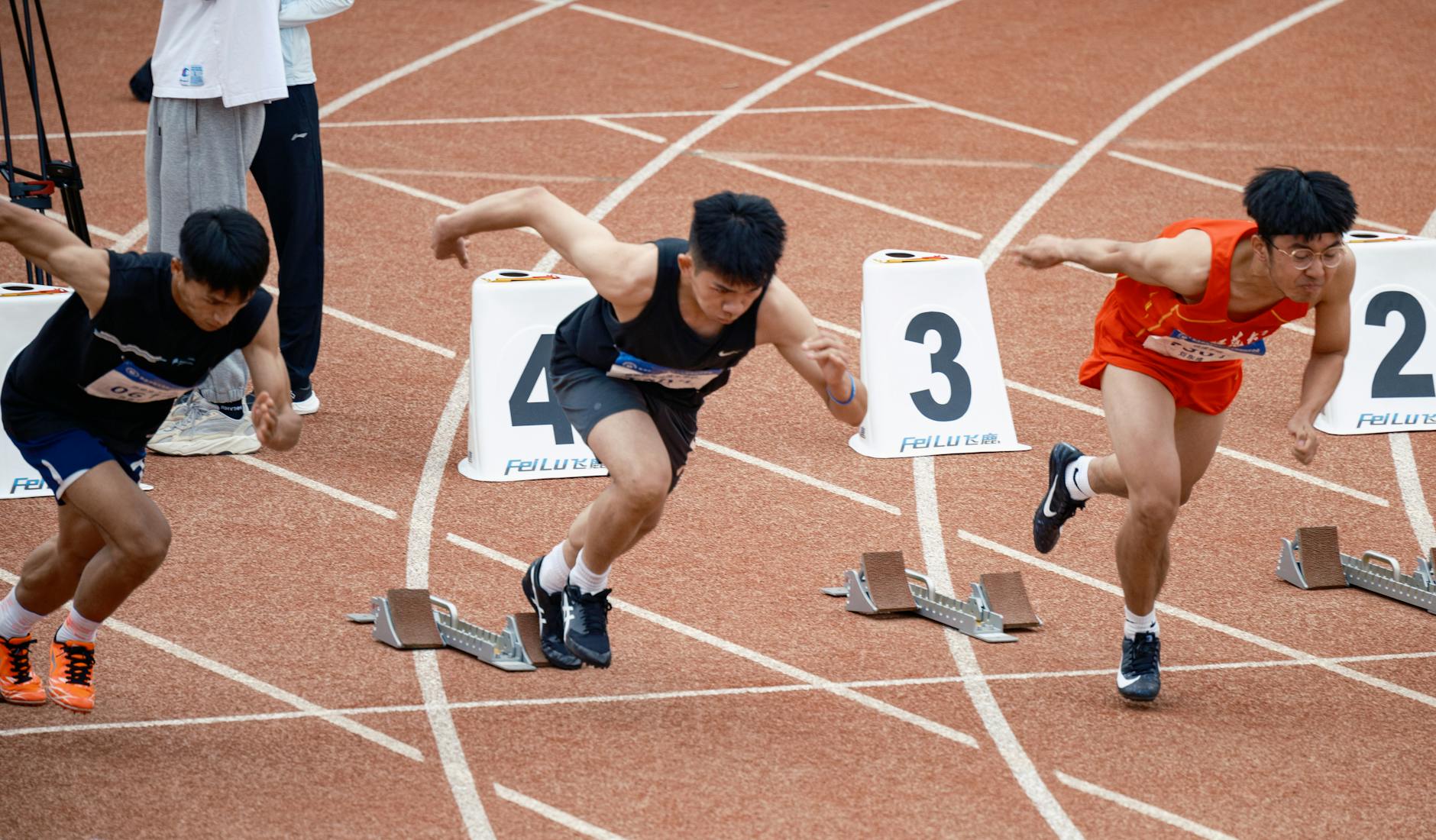
The sprint is the oldest competitive race in human history — and it looks almost nothing like it did when the Greeks invented it. From sand tracks and bare feet to carbon-fiber spikes and laser timing, here's how the world's most electric race got so impossibly fast.

Blood, Chariots, and the All-Around Warrior: The Lost Sports of the Ancient Olympics
Origins of Sport

Blood, Chariots, and the All-Around Warrior: The Lost Sports of the Ancient Olympics

The ancient Olympics weren't just a track meet — they were a showcase of the most brutal, spectacular, and athletically demanding contests the Greek world could devise. Pankration fighters went until someone tapped out or passed out. Chariot races turned the hippodrome into organized chaos. And the pentathlon demanded an athlete who could do almost everything. So what happened to these events — and who in today's sports world would have dominated them?

The Four-Minute Barrier and Beyond: How Humans Rewrote the Rules of What's Possible
Records Then vs Now

The Four-Minute Barrier and Beyond: How Humans Rewrote the Rules of What's Possible

On May 6, 1954, Roger Bannister crossed a finish line in Oxford and quietly shattered one of sport's most stubborn psychological walls. The sub-four-minute mile had been called physically impossible — and then it wasn't. That moment is a perfect lens for understanding how dramatically our sense of human athletic limits has shifted since the days of ancient Greece, and why the ceiling might be higher than we think.

Sole Revolution: How Athletic Footwear Went From Nothing to Everything
Records Then vs Now

Sole Revolution: How Athletic Footwear Went From Nothing to Everything

Ancient Greek athletes competed barefoot on sun-baked dirt and still managed to build the foundation of competitive sport as we know it. Fast forward a few thousand years and a curved carbon plate tucked inside a foam midsole is shaving minutes off marathon times. The story of the running shoe is really the story of human performance itself.

From Digg to Reddit and Back Again: The Wild Ride of Internet's Most Dramatic Rivalry
Internet Culture

From Digg to Reddit and Back Again: The Wild Ride of Internet's Most Dramatic Rivalry

Before Reddit became the front page of the internet, there was Digg — a scrappy social news site that dominated the early web and then spectacularly imploded. The story of Digg's rise, fall, and multiple comeback attempts is one of the most fascinating sagas in tech history, and it's got more twists than a playoff bracket.