Mud, Blood, and Forward Passes: The Chaotic Century That Built American Football
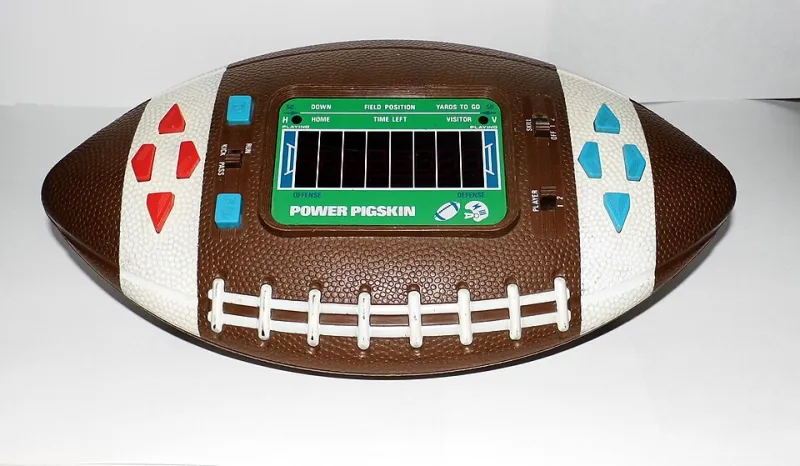
Photo: Joe Haupt from USA, CC BY-SA 2.0, via Wikimedia Commons
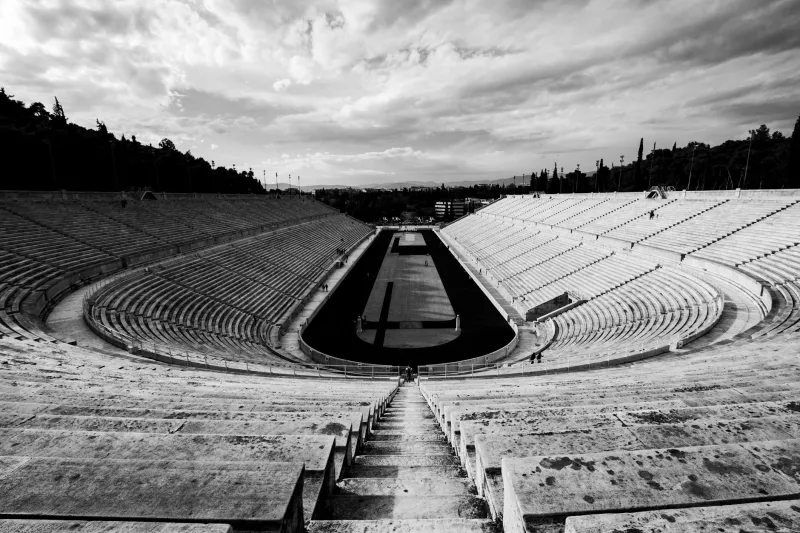
Before the Super Bowl, before the salary cap, before the instant replay, there was a bunch of Ivy League kids beating each other senseless in the mud. The sport we call American football didn't arrive fully formed — it clawed its way into existence over a hundred years of arguments, injuries, rule rewrites, and sheer stubbornness. If ancient Greece invented the idea of organized athletic competition, America invented the idea of organized athletic chaos — and football is the proof.
The Ivy League Brawl That Started Everything
The year was 1869. Rutgers and Princeton lined up across from each other in New Brunswick, New Jersey, for what is widely considered the first intercollegiate football game in American history. There were 25 men per side. There were almost no rules. The ball was round. Players couldn't pick it up and run with it. It looked, frankly, more like a mob scene than a sport.
What followed over the next decade was a messy mashup of soccer and rugby, played mostly by elite college men who were making up the rulebook as they went. Harvard, Yale, and Princeton all played slightly different versions of the game, which made scheduling a genuine headache. When Harvard met McGill University in 1874, they played two games — one under each school's rules — just to keep things fair. That series introduced Harvard to the rugby-style carrying game, and they loved it. The rest of American football history flows from that accident.
By 1876, the Intercollegiate Football Association had standardized enough rules to make games recognizable across schools. But the sport was still brutally physical, tactically primitive, and genuinely dangerous. Injuries were common. Deaths were not unheard of.
The Crisis That Almost Killed the Game
By the early 1900s, American football had a serious problem. The dominant offensive strategy was the "flying wedge" — a formation where blockers locked arms and formed a human battering ram to escort the ball carrier. It was devastatingly effective. It was also devastating to human bodies. Between 1900 and 1905, the sport recorded 18 player deaths and over 150 serious injuries in a single season.
President Theodore Roosevelt — a man not exactly known for squeamishness — called college football leaders to the White House in 1905 and essentially told them to fix it or face federal intervention. The resulting reforms were sweeping. The forward pass was legalized in 1906. The line of scrimmage was formalized. The neutral zone between teams was established. Suddenly, football wasn't just a ground-level shoving match. It had a vertical dimension. It had strategy. It had the seeds of the modern game.
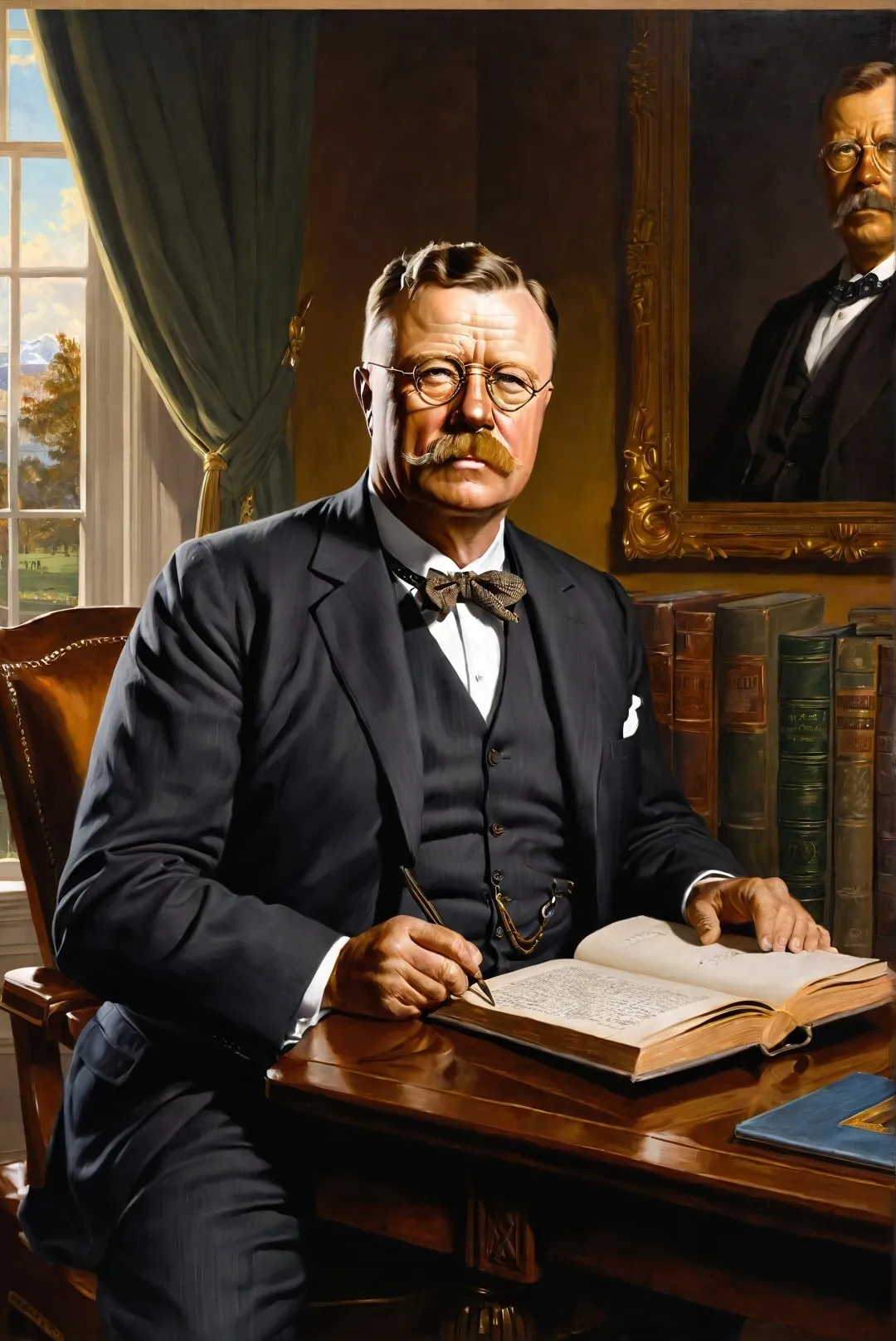 Photo: Theodore Roosevelt, via www.edupics.com
Those rule changes didn't just save lives — they saved the sport. The forward pass transformed football from a rugby cousin into something entirely its own.
The Birth of the Professional Game
College football dominated American attention well into the 20th century, but professional football was quietly taking shape in the industrial towns of Ohio and Pennsylvania. The American Professional Football Association was founded in 1920 in a Hupmobile car dealership in Canton, Ohio. Two years later it renamed itself the National Football League.
Early NFL games were nothing like what fills stadiums today. Players earned modest wages, rosters were thin, and franchises came and went like corner stores. The Canton Bulldogs, the Duluth Eskimos, the Pottsville Maroons — teams that modern fans have never heard of were once league champions. The sport was regional, working-class, and largely ignored by the press outlets that covered college games with breathless reverence.
What changed everything was television. When the 1958 NFL Championship Game between the Baltimore Colts and New York Giants went to sudden-death overtime and was broadcast nationally, an estimated 45 million Americans watched. Sportswriters called it "The Greatest Game Ever Played." The NFL called it the best advertisement it would ever get.
From Leather Helmets to Laser Measurements
Compare the football of 1920 to the football of today and you're essentially comparing two different sports wearing the same jersey number. Early players wore leather helmets — or nothing at all. Playbooks were minimal. Substitution rules were strict enough that many players went both ways, playing offense and defense for entire games. The concept of a "specialist" would have seemed absurd.
Today's NFL operates with the precision of a military operation. Rosters carry 53 players, each refined to a hyper-specific role. A punt returner and a left guard might share a locker room but almost never share a play. Offensive coordinators call plays via radio directly into quarterbacks' helmets. Analytics teams study opponent tendencies down to the down-and-distance split in the third quarter of road games in December.
The physical transformation is equally staggering. The average NFL offensive lineman in the 1920s weighed around 210 pounds. Today's counterparts routinely tip the scales at 320-plus, with movement skills and conditioning that would have seemed science-fictional to their predecessors. Sports science, nutrition programs, and year-round training regimens have produced athletes who bear only a passing physical resemblance to the leather-helmeted men who launched the sport.
Why the Chaos Still Matters
There's something deeply American about how football evolved — through argument, crisis, reinvention, and the stubborn refusal to let a good idea die just because it was also a dangerous one. Ancient Greek athletes competed under rules handed down by tradition and religion. American football wrote its own rules in real time, crossing out the ones that didn't work and arguing about the rest at every opportunity.
The sport that 100 million people watch in a single Sunday afternoon was never designed. It was discovered — through a century of improvisation that somehow produced the most-watched sporting spectacle on the planet. From Rutgers versus Princeton in the mud to Patrick Mahomes threading a 40-yard strike in the Super Bowl, the distance traveled is extraordinary. The chaotic spirit that got it here? That part hasn't changed at all.