Sacred Silence to Stadium Roar: How Sports Fans Went From Religious Observers to Rowdy Participants

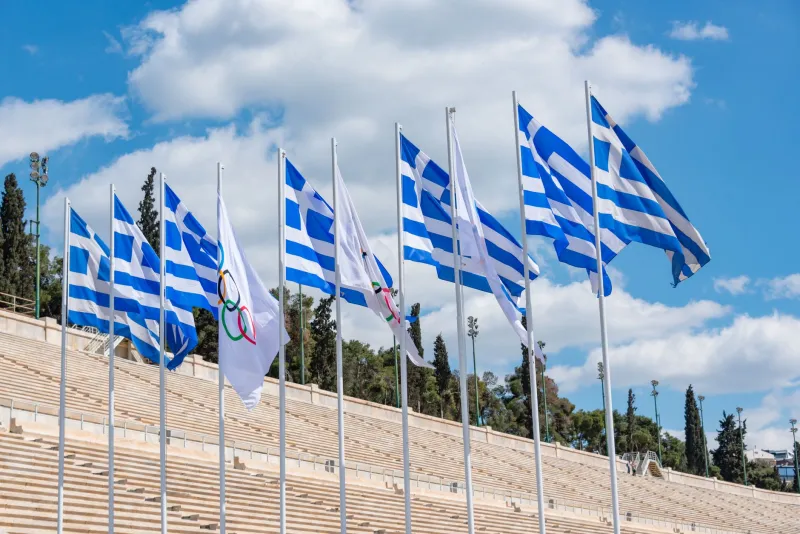
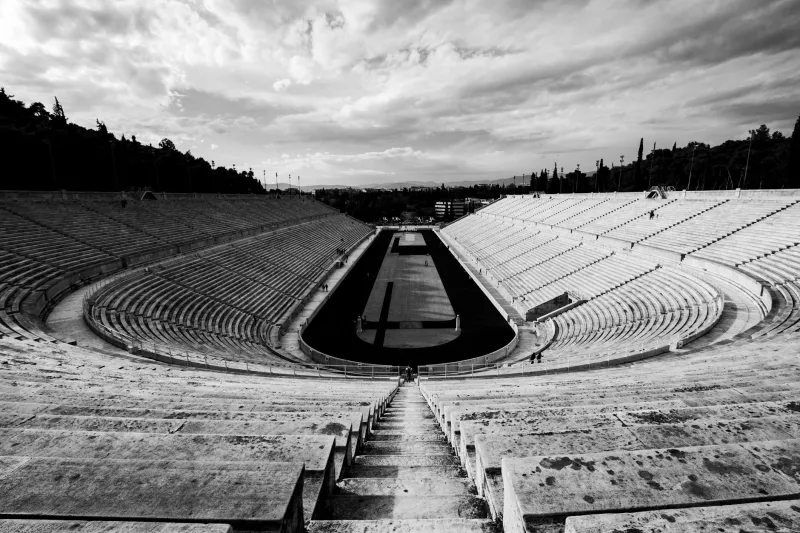
Imagine attending a sporting event where cheering is considered disrespectful, where spectators sit in reverent silence, and where the loudest sound is the thud of feet hitting packed earth. This wasn't some dystopian nightmare—it was how the ancient Greeks experienced the Olympic Games for nearly 1,200 years.
The transformation from those hushed, sacred gatherings to today's beer-soaked, jersey-wearing, social-media-posting American sports culture represents one of humanity's most dramatic behavioral shifts. Somewhere between ancient Olympia and modern America, we stopped being observers and became participants.
When Gods Were Watching Too
The original Olympic spectators weren't really "fans" in any sense we'd recognize today. They were pilgrims attending a religious festival dedicated to Zeus, the king of the Greek gods. The athletic competitions were offerings to the divine, and spectators were expected to conduct themselves as if they were in church—because, essentially, they were.
Crowds of up to 40,000 people would gather at Olympia, but their behavior would seem alien to modern sports fans. There was no cheering for individual athletes, no team allegiances, and certainly no heckling of competitors. Spectators observed in respectful silence, understanding that they were witnessing sacred rituals, not entertainment.
The few recorded instances of crowd disruption were met with swift punishment. Spectators who disturbed the peace could be fined, beaten, or banned from future games. The Greeks believed that rowdy behavior would anger Zeus and bring divine retribution upon the entire gathering.
Rome: Where Everything Changed
The Romans inherited Greek athletic traditions but transformed them into something entirely different. When Rome conquered Greece in 146 BC, they brought Olympic-style competitions to their massive amphitheaters—and with them, the first recognizable sports fans.
Roman spectators were anything but silent. They cheered, booed, placed bets, and formed passionate allegiances to gladiators and chariot racing teams. The Circus Maximus could hold 250,000 spectators who created such noise that it could allegedly be heard miles away from Rome.
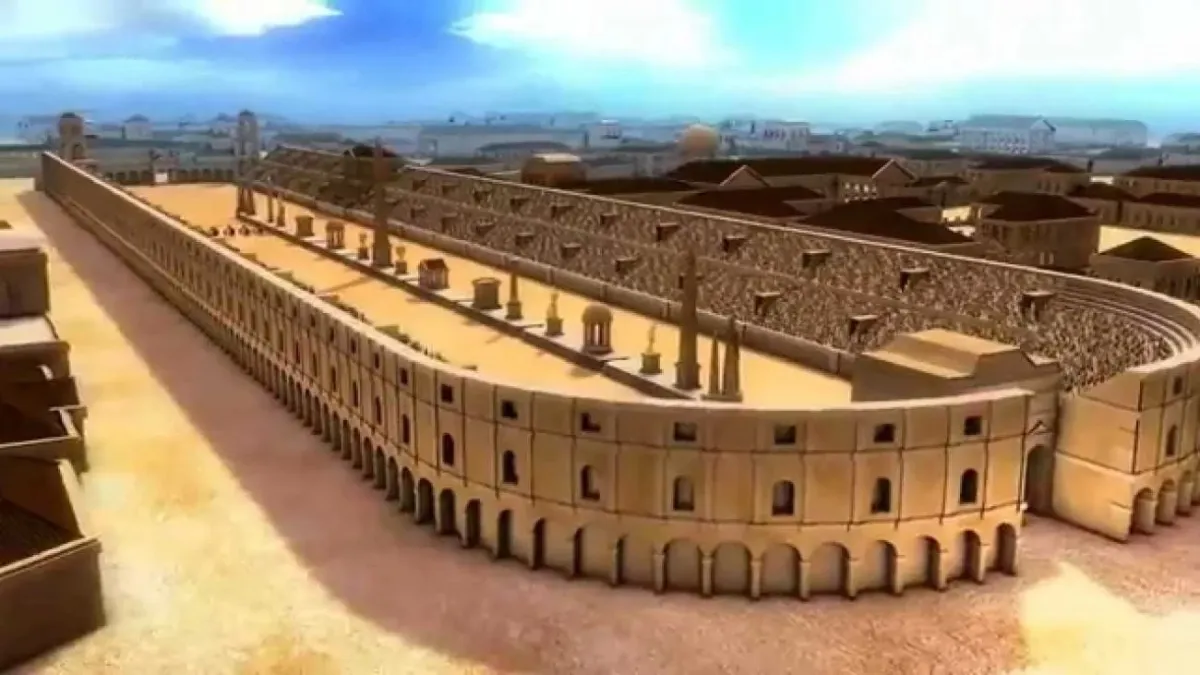 Photo: Circus Maximus, via i0.wp.com
This shift wasn't accidental—it was strategic. Roman leaders understood that engaged, emotionally invested crowds were easier to control and more likely to support the empire. They encouraged fan participation, even when it occasionally erupted into riots that killed thousands.
The famous chariot racing factions—the Blues, Greens, Reds, and Whites—created the first true sports fan culture. Romans didn't just watch races; they identified with teams, wore team colors, and sometimes fought deadly street battles over racing results. Sound familiar?
Medieval Silence and Renaissance Awakening
After Rome's fall, European sports culture retreated into religious observance. Medieval tournaments were formal affairs where spectators—usually nobility—watched in relative quiet. The concept of the "common fan" virtually disappeared for nearly a thousand years.
The Renaissance began to change this dynamic. As towns grew and merchant classes emerged, public festivals featuring athletic competitions became more common. These events encouraged more participatory audiences, but still nothing approaching modern fan behavior.
England's early cricket matches in the 17th and 18th centuries marked another turning point. Spectators began placing bets, choosing sides, and expressing opinions about play. The foundation of modern sports fandom was being laid, one polite cricket clap at a time.
America Invents the Modern Sports Fan
The United States took fan culture and supercharged it beyond anything the world had seen. The combination of democratic ideals, urban populations, and mass media created the perfect storm for modern sports fandom.
Baseball led the charge in the mid-1800s. Unlike ancient Olympic spectators who observed sacred rituals, American baseball fans saw themselves as participants in a democratic entertainment. They cheered, jeered, argued with umpires, and treated players as public figures rather than religious offerings.
The 1869 Cincinnati Red Stockings became America's first professional team, and their fans pioneered behaviors that would define American sports culture: organized cheering, team merchandise, and the belief that loud support could actually help their team win.
 Photo: Cincinnati Red Stockings, via www.eslprintables.com
By the early 1900s, American sports fans had invented most of the traditions we recognize today. The seventh-inning stretch, fight songs, mascots, and the wave all emerged from this uniquely American approach to sports spectatorship.
Television: When Everyone Became a Participant
Television didn't just broadcast sports—it fundamentally changed how people experienced them. Suddenly, fans could watch multiple camera angles, hear expert commentary, and see instant replays that revealed details invisible to ancient spectators.
More importantly, television created the illusion of participation. Fans sitting in their living rooms began to feel like they were part of the action, shouting at television screens as if their voices could reach the field. This psychological shift was profound—spectators had become participants, even when they were hundreds of miles away.
The introduction of color TV in the 1960s made team allegiances more visual and emotional. Fans could now see the exact shade of their team's colors, making jerseys and merchandise more meaningful. The modern sports fan, draped in team colors and emotionally invested in outcomes they couldn't control, was born.
The Social Media Revolution
If television made fans feel like participants, social media made them actual participants. Modern sports fans don't just watch games—they live-tweet them, share instant reactions, create memes, and engage in real-time debates with fans around the world.
This represents the complete opposite of ancient Olympic spectatorship. Where Greeks observed in reverent silence, modern fans create constant noise. Where ancient spectators respected the sacred nature of competition, today's fans treat athletes as entertainment products to be critiqued and consumed.
The numbers tell the story: Super Bowl LVI generated 28 billion social media interactions, with fans creating more content about the game than all traditional media outlets combined. Ancient Olympic spectators would have been horrified by such behavior.
Fantasy Sports: When Fans Become Competitors
Fantasy sports represent the ultimate evolution of fan participation. Modern Americans don't just root for teams—they create their own teams, make strategic decisions, and compete against other fans. The line between spectator and participant has completely disappeared.
This would have been incomprehensible to ancient Greeks, who saw athletic competition as a sacred dialogue between humans and gods. The idea that spectators would create their own competitions based on athletic performances would have seemed like blasphemy.
What We Gained and Lost
The transformation from sacred observer to passionate participant has given us incredible energy, community, and shared experiences. American sports culture creates bonds between strangers, generates economic activity, and provides emotional outlets that ancient Greeks never experienced.
But we've also lost something profound. Ancient Olympic spectators experienced awe, reverence, and a connection to something larger than themselves. Modern fans often experience stress, anger, and unhealthy emotional investment in outcomes they can't control.
The ancient Greeks would be amazed by our passion but horrified by our behavior. They believed sports revealed divine truth; we've turned them into entertainment products. Both approaches have their merits, but there's something to be said for the sacred silence that once surrounded athletic competition.
Perhaps the real question isn't whether we've improved on ancient fan culture, but whether we've forgotten why sports mattered in the first place.